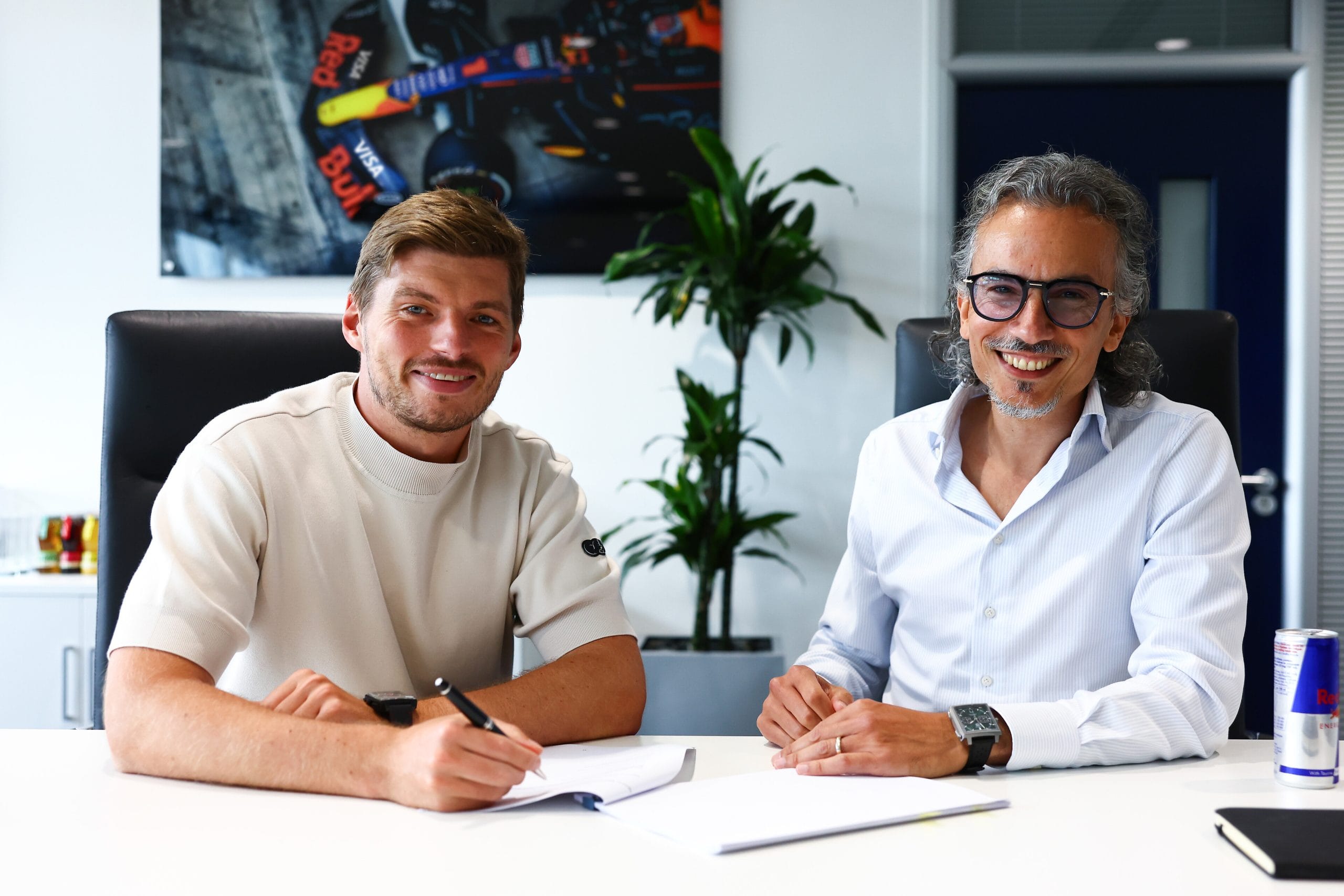

Max Verstappen has signed a new contract with Red Bull Racing that runs until the end of the 2030 season. Months of paddock whispers, transfer speculation and pointed public statements from the four-time world champion himself have been silenced in one stroke. The McLaren move is off. The retirement talk is off. Verstappen is staying, and he is staying for a long time.
The Contract, the Clause, and the Choice
To understand why this announcement matters, you need to understand what was actually at stake. Verstappen’s previous deal ran until the end of 2028, but it contained a performance-based exit clause: if he was not inside the top two in the drivers’ championship when the summer break began in 2026, he could walk. Given that he currently sits sixth in the standings with 109 points, well behind championship leader Kimi Antonelli’s 219, that clause was very much live.
He chose not to use it. Instead, he has torn up that deal and replaced it with something longer, something that takes him through to 2030 and into the first season of the next regulatory cycle. That is not a man hedging his bets. That is a man making a decision and committing to it fully.
As RacingNews365 confirmed, the new deal covers the entirety of the current power unit regulations and beyond, meaning Verstappen will see out the rules he has been so vocally critical of in Red Bull colours. That is either an act of loyalty or an act of stubbornness, depending on your perspective. Possibly both.
McLaren Were Real, Not Just Rumour
Let us not pretend this was a foregone conclusion. The McLaren speculation was not tabloid noise. Conversations between Verstappen’s management and McLaren CEO Zak Brown were confirmed, and for weeks the Woking outfit looked like genuine frontrunners for his signature. Mercedes had shown interest earlier in the season, but that cooled as the months passed. McLaren were the ones who stayed in the race longest.
And on pure 2026 form, the McLaren case was compelling. McLaren sit third in the constructors’ standings with 220 points. They have brought new upgrades to Zandvoort after a strong recent run of results. Lando Norris is fifth, Oscar Piastri seventh. The car is competitive, the infrastructure is strong, and it is a team very much on the way up rather than one trying to find its way back.
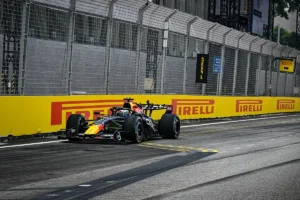
Red Bull, by contrast, are fourth in the constructors’ standings. Their other race seat is currently being filled by Liam Lawson on a temporary basis after Isack Hadjar was sidelined by a wrist injury. The team that dominated Formula 1 from 2021 to 2024 has not rediscovered that form under the 2026 regulations, and Verstappen has made his frustration with the current generation of cars abundantly clear.
Why He Stayed: The Logic Beneath the Loyalty
There is a tempting narrative here: Verstappen chose heart over head, loyalty over logic. That is probably too simple. Consider what a move to McLaren would actually have involved. Verstappen has never driven for a team he did not help build into a title contender. He arrived at Toro Rosso as a teenager, crossed to Red Bull as a prodigy, and spent a decade forging an identity that is inseparable from the Milton Keynes operation. Walking into McLaren would have meant adapting to an existing culture, an existing structure, and a team dynamic already shaped around two other competitive drivers.
There is also the broader competitive picture to consider. Red Bull’s struggles in 2026 mirror situations we have seen before. Mercedes were caught completely off-guard by the ground-effect regulations in 2022. Ferrari spent years rebuilding after the V6 transition in 2014. Teams that have dominated entire eras do lose their way when the rulebook changes. The smarter question is not whether they are struggling now, but whether they have the resources and the talent to recover. Red Bull, as a financially powerful and technically deep organisation, have every reason to believe they can.
Verstappen, with 71 grand prix victories, presumably believes that too. His 2025 form offered a reminder of what he can do when the machinery is right: three consecutive wins in Abu Dhabi, Qatar and Las Vegas to close the season. That man has not gone anywhere. The car just needs to catch up.
The Dutch GP Timing Is No Accident
The announcement lands on the Thursday of the Dutch Grand Prix weekend at Zandvoort, and nobody should pretend that is a coincidence. Racing in front of your home crowd at a circuit that has embraced you as a national icon, with tens of thousands of orange-clad supporters in the grandstands, is exactly the moment you want to confirm that you are not going anywhere. The optics are perfect, and Red Bull know it.
It also gives the Dutch GP weekend an added layer of significance. As we noted earlier this week, Verstappen’s situation at Zandvoort was already carrying considerable weight. Now the question has shifted from whether he will be a Red Bull driver next year to whether Red Bull can give him a car worth the commitment he has just made.
The FIA’s two straight mode zones for Zandvoort will also play into the weekend’s dynamics, and Red Bull will need every edge they can find on a circuit that, in a normal year, tends to suit their technical approach.
What This Means for the Rest of the Grid
From a silly season perspective, Verstappen’s decision closes one of the most significant doors in the paddock. A Red Bull seat is no longer up for grabs for any established star looking for a change. McLaren must now look elsewhere if they want to add championship pedigree to their driver lineup. Whether that changes their plans for 2027 and beyond remains to be seen.
For Red Bull, the relief will be immense. The distraction of transfer speculation, the pointed questions at every press conference, the sense that their most important asset was weighing up an exit: all of that disappears today. They can focus entirely on the engineering challenge of closing the gap to Mercedes and Ferrari, knowing their driver is fully committed to that project.
A Bet on Recovery, Not a Retreat from Ambition
Verstappen staying at Red Bull until 2030 is not a comfortable, safe decision. It is a bet: a bet that the team can find their way back to the front, that the regulations will eventually suit a car Red Bull can build, and that four world titles together are a foundation worth building on rather than walking away from. He could have chased current form at McLaren. He decided to chase a recovery at Red Bull instead.
Whether that bet pays off will be one of the defining storylines of the next few seasons. For now, the speculation is over. Max Verstappen is a Red Bull driver until the end of 2030. The paddock can talk about something else for a change.