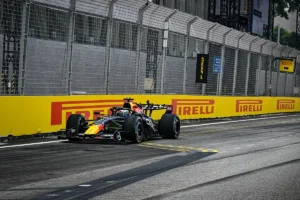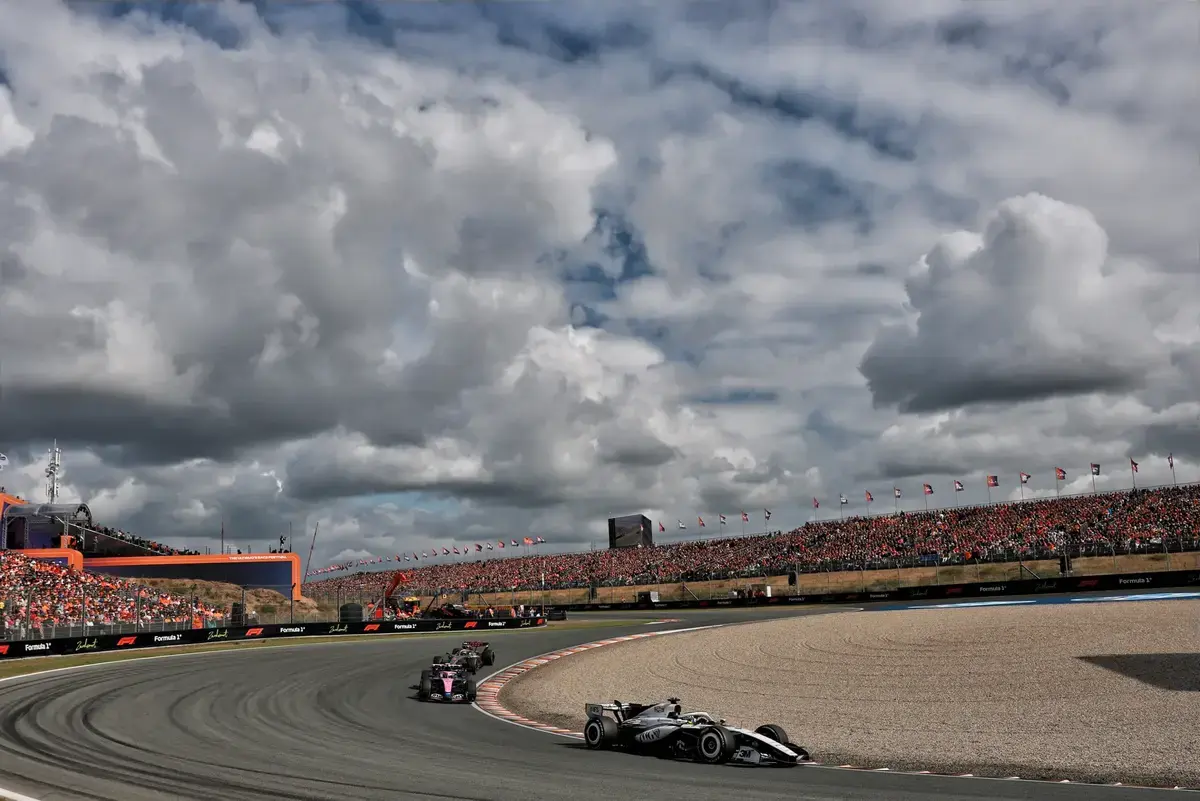

Sergio Perez has done something remarkably rare for a Formula 1 driver: put an actual number on his own decline. Three years, he reckons, before the fire goes out and he walks away from the sport that spat him out once already.
It’s a striking bit of self-awareness from a man who spent last year on the sidelines after Red Bull cut him loose, and who returned this season with Cadillac alongside Valtteri Bottas. Perez has already been candid about how underwhelming Cadillac’s rookie campaign has been, but that’s not really the story here. The story is what he wants to do about it.
Three Years and Counting
Speaking on F1’s Beyond the Grid podcast, Perez laid out his own timeline with a bluntness you don’t often hear from a driver still on the grid. He’s not talking about winning championships. He’s talking about sticking around long enough to see a project through.
“I really feel like this is a project. And I really feel like I’m part of this project of this new era, like building something from scratch.” – Sergio Perez
That’s a generous way of describing a team currently rooted to the bottom of the constructors’ table with zero points, but credit where it’s due: Perez sounds genuinely invested rather than simply cashing a cheque before retirement. He says Cadillac listens to him on development matters, treating him as more than just a pair of hands on the wheel, something he claims few drivers ever experience.
The Alarm Bell Nobody Wants to Hear
Where this gets interesting is Perez’s theory on how a driver knows it’s time to stop. Forget fitness, forget reflexes, he reckons the real tell is mental: when you stop lying awake thinking about your engineers, your car, your next lap.
“When you go away and you start thinking less and less on that, that’s the first alarm, I would say. It’s going away.” – Sergio Perez
It’s a fair point, and one that plenty of drivers who’ve overstayed their welcome in F1 could have done with hearing a few seasons earlier. Perez insists there’s no fixed age for this, name-checking Fernando Alonso as the outlier who might, in his words, still be racing at 60. Whether that’s admiration or a gentle dig at a rival’s stubbornness is anyone’s guess, but Perez is clear that he doesn’t have that same engine running in him. He wants out of the sport eventually, and on his own terms, not dragged off kicking and screaming.
Honesty as a Marketing Strategy
There’s something almost refreshing about a driver admitting he’ll know when to quit, rather than clinging on Schumacher-tribute-style until the paddock quietly shows him the door. Perez frames it as gratitude, being honest with yourself and thankful to the kid who started it all, which sounds lovely in a podcast but conveniently also buys him three more years of relevance in a team that badly needs a recognisable face.
Because let’s be honest: Cadillac’s whole pitch depends on experienced heads steering a new operation somewhere respectable. Perez and Bottas were brought in precisely because neither needed teaching how an F1 weekend works. If Perez walks in year two or three, Cadillac loses exactly the experience it paid for. So when he says he wants three more years to help “this project of this new era” move forward, it reads less like sentimentality and more like a man who knows his value to a team that has none of its own history to lean on.
What This Actually Means for Cadillac
None of this changes the uncomfortable maths for Cadillac: zero points, last in the drivers’ standings for its lead driver, and a season that’s delivered plenty of humility and not much else. Perez has already admitted disappointment with how the year has gone. But a driver publicly committing to a multi-year rebuild is exactly the kind of stability a startup team wants broadcast to sponsors and fans, whether or not the results back it up yet.
Whether Cadillac can actually build something worth three more years of Perez’s time remains the real question. He’s given himself a deadline. Now it’s up to the team to give him a reason to stay motivated rather than simply counting down the seasons until he can go and do those “other things” he keeps hinting at.
The Cynical Read
Three years is a long time to promise in a sport that changes team bosses more often than it changes tyre compounds, as anyone following the team principal merry-go-round this year will know. Perez sounds sincere, and perhaps he is. But it’s also the easiest kind of promise to make: one nobody can hold you to until the clock actually runs out.