
Forget the drivers for a minute. The real power struggles in Formula 1 happen in the boardrooms and garages, where 11 team principals decide who gets a car, who gets a strategy call and who gets quietly shown the door. Some have been in the job since before half the current grid could drive. Others have been in the chair for a matter of weeks. Welcome to the least stable job title in sport.
The Old Guard Still Calling the Shots
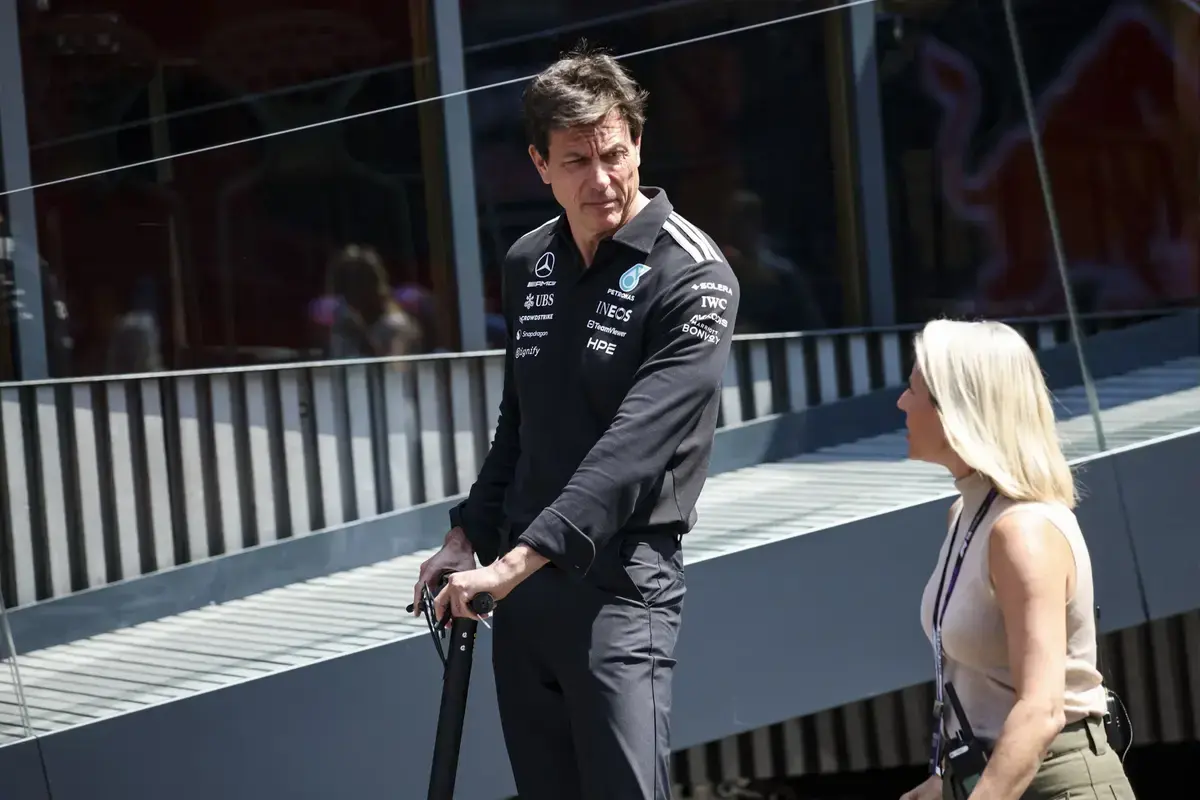
Toto Wolff remains the grandfather of the paddock, having run Mercedes since 2013 and somehow still finding new ways to be the most quoted man in the room. After years of Red Bull and McLaren embarrassing his cars, 2026 has finally handed Wolff the dominant package again, and Mercedes sit top of the constructors’ standings with 425 points, a gap that makes the rest of the grid look like they are racing in a different championship. Funny how patience gets rewarded when you have the budget to be patient.
Fred Vasseur is into his fourth season at Ferrari, which in Maranello years is roughly a lifetime given the average shelf life of a Ferrari boss. He oversaw the Lewis Hamilton signing, one of the biggest driver moves in the sport’s history, and Ferrari currently sit second in the constructors’ table. Whether that is progress or simply the least embarrassing outcome available is a matter of perspective.
Andrea Stella’s rise at McLaren has been the quiet success story, promoted at the end of 2022 and rewarded with back-to-back constructors’ titles in 2024 and 2025 plus a drivers’ crown for Lando Norris. McLaren currently sit third, comfortably clear of the rest but a long way off the two teams above them. As we’ve covered before, Stella’s praise for Norris can’t hide how badly Oscar Piastri has slumped this season.
Red Bull’s Revolving Door Keeps Spinning
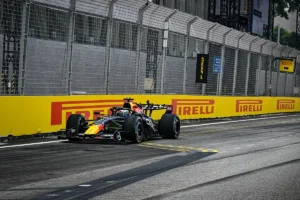
Laurent Mekies took over at Red Bull midway through 2025 after Christian Horner’s exit, the first time in the team’s history the top job hasn’t belonged to Horner. Mekies arrived via Ferrari and Racing Bulls, and led Red Bull through what officialdom likes to call a resurgence. Red Bull currently sit fourth in the standings, some way adrift of the top three, which rather undercuts the idea that changing the man at the top instantly fixes a car that isn’t fast enough. It also hasn’t stopped the noise around whether Max Verstappen’s contract is really the lock it’s supposed to be.
Down the corridor, Alan Permane inherited the Racing Bulls seat when Mekies moved up, having spent decades at Enstone before returning to F1 in 2024. Racing Bulls currently sit fifth in the constructors’ championship, the best of the midfield battle, for now.
New Blood, New Problems
James Vowles has been rebuilding Williams since 2023, and while the team’s ninth place in the constructors’ standings this season won’t have anyone at Grove throwing a party, there’s a sense the foundations are finally in place. Vowles has also been vocal about what makes Carlos Sainz such an asset even when the car isn’t cooperating, as detailed in this look at Sainz’s resilience at Williams.
Adrian Newey, the most decorated car designer in the sport’s history, took on the Aston Martin team principal role in late 2025 for the first time in his career, adding a second job title to his Managing Technical Partner duties. It is a peculiar career pivot for a man who has spent decades drawing cars rather than managing people, and Aston Martin’s tenth-placed finish so far in the constructors’ standings suggests the transition hasn’t been seamless.
Ayao Komatsu is now in his third season running Haas, having climbed the ranks since joining as an engineer back in 2003. Haas currently sit seventh, though there are questions over whether the team’s “no rush” approach to planning is a sign of calm leadership or just drift, something we explored in Komatsu’s driver plans for 2027.
The Chaos Franchises
Audi’s leadership saga has been one of the more entertaining subplots of the season. Mattia Binotto now heads the project after Jonathan Wheatley’s departure in March 2026, with former racer Allan McNish installed as Racing Director. Audi sit eighth in the standings, a reasonable return for a team still finding its feet, though the FIA’s continued secrecy over engine performance hasn’t helped anyone assess how much of that is genuine progress, a point we’ve raised in this piece on the unresolved engine ranking row.
Alpine’s structure is arguably the strangest on the grid: Flavio Briatore as Executive Advisor calling the big shots, Steve Nielsen handling the day-to-day as Managing Director. Briatore’s return to F1 came dressed in nostalgia for his Benetton and Renault title-winning days, but Alpine’s sixth place in the constructors’ standings this season is a reminder that reputation doesn’t automatically translate into pace. The team’s driver situation has at least settled, with Colapinto keeping his seat as the Verstappen fantasy dies.
And then there’s Cadillac, F1’s newest and most chaotic entry. The team started 2026 with Graeme Lowdon in charge before swapping him out for Marcin Budkowski when the sport returned from the summer break at the Dutch Grand Prix. Cadillac sit bottom of the constructors’ table with zero points, which makes sacking your team boss a matter of months into your debut season either bold or a touch premature, depending on how forgiving you’re feeling. It’s hardly a surprise given Sergio Perez has already said what everyone suspected about the team’s stalled development.
Job Security? What Job Security
Look down this list and the pattern is obvious: the teams at the top have kept the same boss for years, while the teams at the bottom keep hitting the reset button. Wolff, Vasseur and Stella have been in situ long enough to build something. Cadillac changed horses before the season was even half done. Whether that correlation is cause or effect is the eternal F1 question, but it’s hard to shake the feeling that sacking the team principal is often just the easiest way for a struggling outfit to look like it’s doing something.