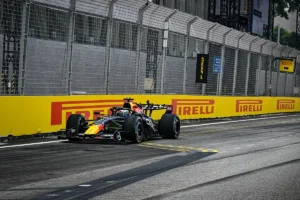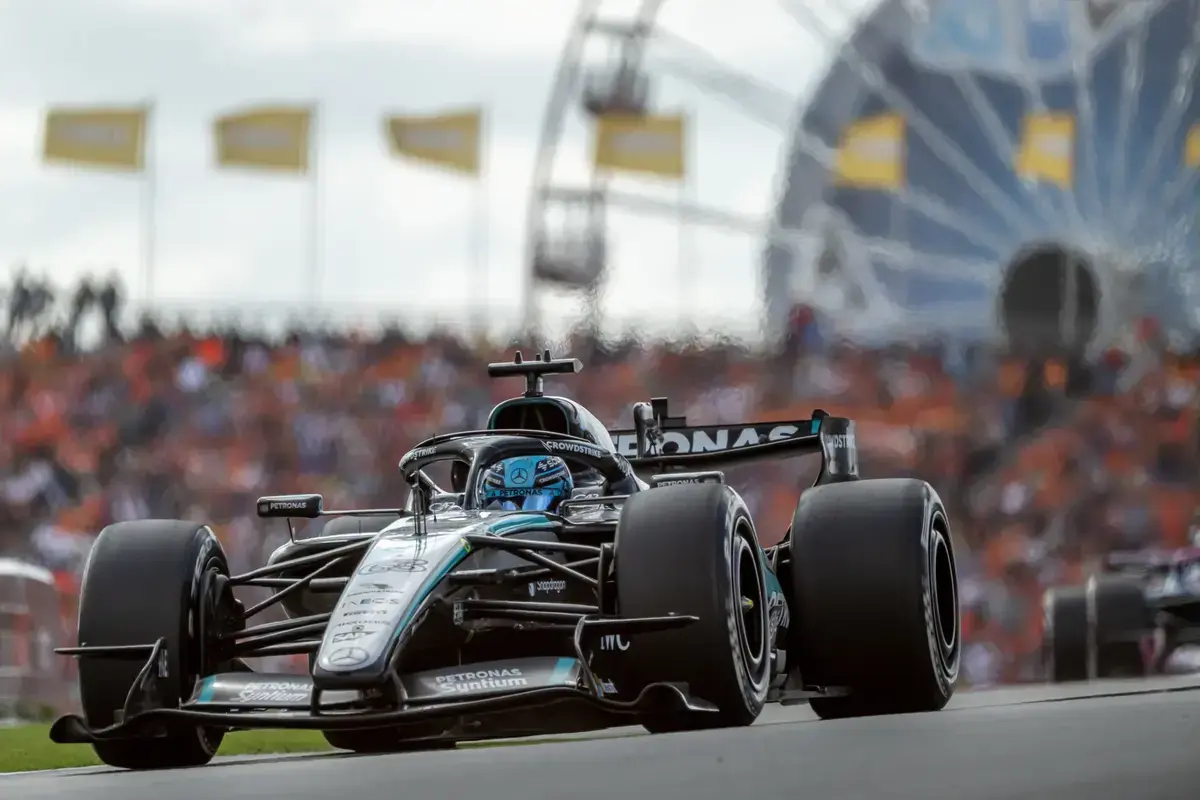

Formula 1 has looked at the forecast for Monza this weekend and concluded, somewhat late in the day, that boiling drivers inside a carbon-fibre cockpit is not ideal. The FIA has declared the Italian Grand Prix a heat hazard race, the fourth time this bureaucratic label has been dusted off since it was invented, and the second time this season alone.
Why Monza Gets the Label
The heat hazard designation kicks in when temperatures are predicted to exceed 31 degrees during the event, triggering a heat index the FIA uses to define conditions it considers genuinely dangerous rather than merely uncomfortable. Given that Monza is forecast to hit 34 degrees on Friday, 35 on Saturday and 34 again on Sunday, according to Crash.net, this was never going to be a close call. Formula1.com’s own forecast lines up with that grim picture: track temperatures are expected to peak around 57 degrees Celsius across the weekend, with clear skies and barely a breath of wind to cool anyone down. Sunday brings only a small, late chance of rain, so nobody should expect the weather gods to bail out Monza the way they occasionally do elsewhere.
Italy joins last year’s Singapore and United States Grands Prix, plus this year’s Austrian Grand Prix, on the list of races that have earned this dubious honour. Singapore, won by George Russell, holds the distinction of being the first race ever slapped with the label, which tells you everything about how recently F1 decided this was worth formalising.
The Vests Nobody Agrees On
The heat hazard rule gives drivers the option, not the obligation, of wearing cooling vests. The system pumps a liquid such as glycol through a tank of dry ice and into the driver’s fireproof top, which sounds ingenious right up until the dry ice runs out and the same system starts pumping liquid at car temperature instead, which in a Monza cockpit is not exactly refreshing. Cars running the vests carry five kilograms of extra minimum weight to accommodate the hardware. Anyone who opts out has to run the same ballast anyway, so nobody gains an advantage by toughing it out. It is a nice touch of regulatory fairness in a sport that otherwise treats a gram of carbon fibre as a state secret.
Russell, who wore the vest to victory in Singapore last year and sits on the Grand Prix Drivers’ Association board, is a fan, even with the caveats.
“Not everybody finds the top comfortable, but I think some find it more comfortable than others, and of course over time you’ll be able to adjust it to your own preferences. But the concept is good, and when you’re racing in 90% humidity and the cockpits are getting on for 60C, it’s a bit of a sauna inside the car, so I think we all welcome it.” – George Russell
Max Verstappen is rather less enthusiastic, having previously called the vests uncomfortable and problematic, which is about as close as Formula 1 diplomacy gets to telling the FIA to shove it. Given his season has already been complicated enough, with Red Bull juggling engine rulings, driver line-ups and now a Monza FP1 without him as detailed in our report on Red Bull’s shuffled lineup, one imagines he has little patience left for a chilled glycol jacket rubbing him the wrong way.
Qatar Was the Wake-Up Call, Eventually
It took the 2023 Qatar Grand Prix, where several drivers were left on the brink of collapse and needed medical attention, for this rule to exist at all. Esteban Ocon was sick inside his own helmet. Logan Sargeant retired outright because his body simply could not cope with the cockpit conditions. It is worth asking why a governing body needed drivers nearly passing out on live television before deciding a formal heat protocol was necessary, but here we are, and at least something now exists on paper.
For 2026, the FIA has sharpened the rule further: the heat hazard declaration can now be split between a sprint and the main race if conditions demand it, rather than applying as a blanket call for the whole weekend. As the FIA puts it:
“The declaration of a Heat Hazard may now be split between Sprint and Race. A Heat Hazard will still be declared, for Sprint, Race or both, 24 hours prior to the start of the Competition.” – FIA
It is a sensible tweak, if a slightly absurd admission that the previous version of the rule was blunt enough to need fixing within a year of introduction.
What This Means for the Weekend at Monza
Practically speaking, expect most of the grid to run cooling vests at some point across the weekend, with a handful of holdouts, Verstappen among the likely candidates, choosing the ballast penalty over the discomfort. Free practice begins Friday 4 September at 10:30 UTC, with qualifying on Saturday 5 September at 14:00 UTC and the race on Sunday 6 September at 13:00 UTC, check the calendar for your local time. With track temperatures pushing toward 57 degrees across the weekend and barely any wind to shift the air inside the cockpit, tyre management is likely to be as much of a talking point as driver comfort, something McLaren has already flagged as a concern heading into Monza.
None of this changes the fact that Formula 1 still relies on a fixed 31-degree trigger to decide when its drivers might be cooking rather than racing. It is a workable system, but it remains a reactive one, born out of an embarrassing weekend in Qatar rather than any great foresight. Monza will be brutally hot regardless of what label gets attached to it. The heat hazard declaration simply means the sport has, on paper at least, stopped pretending that is a footnote.