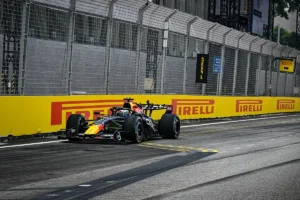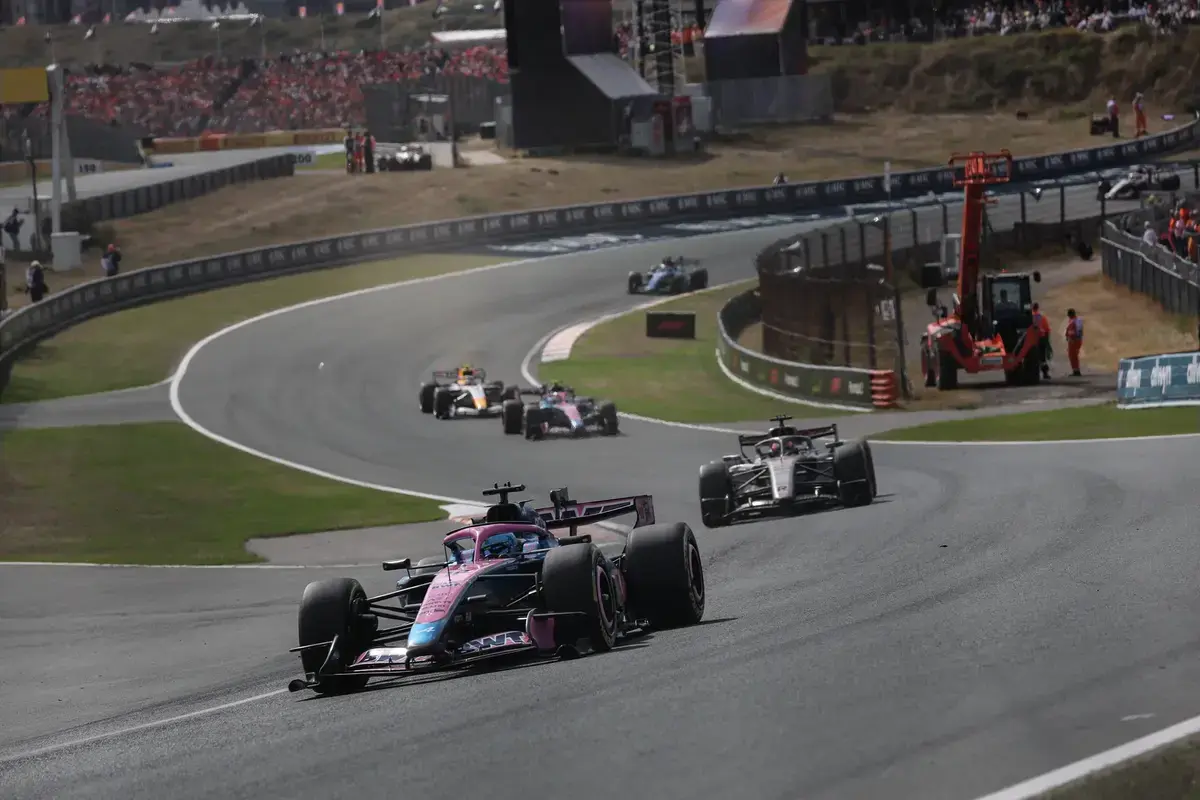

The FIA took Pierre Gasly’s Alpine apart after the Dutch Grand Prix looking for something, anything, out of order. It found nothing. Which is either a ringing endorsement of Alpine’s engineering integrity or proof that the sport’s routine policing is exactly as random and toothless as it sounds.
Every race weekend, one car from the top ten finishers gets pulled for what the FIA calls an extensive physical inspection: electronics, source code, the lot. This time it was Gasly’s number 10 car, selected purely by chance after he crossed the line in the points at Zandvoort. Nothing about his result triggered suspicion. It is simply how the system works, and on this occasion the system found a car that was, in the FIA’s own dry language, entirely unremarkable.
What the FIA Actually Checked
Jo Bauer, the FIA’s Formula 1 Technical Delegate, published the findings in a note issued on Wednesday, ahead of this weekend’s Italian Grand Prix. The wording leaves little room for drama.
“After the race in Zandvoort, car number 10 was randomly chosen among the top ten cars for more extensive physical inspections. Subject to these physical inspections were the re-programmable electronic devices and the SECU. In particular, a team electronic device, containing reprogrammable software, was selected and checked against the provisions of Article C8.1: the software version and source code were registered with the FIA.” – Jo Bauer
Bauer went on to explain that a suitable mechanism verified the software loaded onto the custom unit matched what Alpine had officially registered, followed by a detailed inspection of the source code itself. The SECU software, configuration files and data offloads were all checked too. The conclusion, as reported by PlanetF1, was blunt: everything inspected complied fully with the 2026 technical regulations.
So that is that. No hidden trickery, no clever software workaround, no scandal. Just a car doing exactly what it says on the tin, which in an era of increasingly paranoid technical scrutiny is almost newsworthy in itself.
A Quietly Decent Season for Gasly
The inspection happened to fall on a weekend where Gasly actually had something to show for his efforts. His tenth place at Zandvoort was only his second points finish in five grands prix, the previous one coming at the British Grand Prix back in July. He also picked up a point for eighth in the sprint at the Dutch Grand Prix, which tells you plenty about how thin the margins are for Alpine on a given weekend: scrap for every point, then watch it evaporate over the following races.
Zoom out, though, and the picture is not as grim as those barren stretches suggest. Gasly’s podium in Monaco remains Alpine’s best result of the year, though it is still hanging over the FIA’s International Court of Appeal after McLaren and Red Bull challenged the decision to reinstate him following an initial time penalty. It is a farcical situation that a race result from months ago is still legally unresolved, but that is a different kind of FIA headache entirely.
Alpine’s Actual Position, Not the PR Version
Strip away the individual weekend swings and Alpine sits sixth in the constructors’ standings with 63 points, just three behind Racing Bulls in fifth. Given Alpine finished bottom of the table in 2025, that is a genuine turnaround, not just a marketing line trotted out by the team’s press office. Whether it is sustainable is another matter: with 11 races still to run this season, gaps this small can flip in either direction depending on who has the better upgrade at the right circuit.
Franco Colapinto, Gasly’s teammate, has had a rougher time of it, sitting twelfth in the drivers’ standings with 19 points to Gasly’s 44. The pair will remain paired up for 2027 after Alpine confirmed last week that its lineup stays unchanged, which suggests the team sees enough in Colapinto’s raw pace to keep persisting despite the disparity on the scoreboard.
Monza Carries Extra Weight for Gasly
This weekend’s Italian Grand Prix at Monza is not just another round on the calendar for Gasly. It is the track where he took his only F1 victory, back in 2020, driving for what was then AlphaTauri. Six years on and several teams later, he arrives with a car that is, at the very least, officially clean and a season that has given him more reasons for optimism than most of the midfield.
Practice gets underway on Friday 4 September at 10:30 UTC, with qualifying on Saturday at 14:00 UTC and the race on Sunday at 13:00 UTC, check the calendar for your local time. Whether Gasly can conjure anything close to his 2020 heroics on a weekend when the FIA has already declared Monza a heat hazard is a different question altogether, but at least nobody can accuse his car of being anything other than legal.