
Laurent Mekies didn’t have to win a title to get his vindication. He just needed Max Verstappen to sign a piece of paper. That, at least, is the reading from F1 TV analyst Alex Brundle, who reckons Verstappen’s new deal through 2030 is less a triumph for the driver than a lifeline thrown to a team boss who’s spent a year fighting off questions about whether he’s cut out for the job.
Max Verstappen ended months of paddock chatter by committing to Red Bull until the end of 2030, brushing aside an exit clause he could have triggered after Hungary despite sitting sixth in the standings and still hunting his first win of 2026.
Brundle’s verdict: this is about Mekies, not just Max
Speaking on F1 TV’s Weekend Warm-Up broadcast from Zandvoort, Brundle didn’t hedge. He framed the extension as a referendum on Mekies’ short tenure, one that could easily have gone the other way given the chaos surrounding the team since he replaced Christian Horner in July 2025.
“It’s a pretty important vindication, isn’t it, of Red Bull under Mekies from Max Verstappen. With everything that’s been going on at Red Bull, a bit of a brain drain over the last couple of years, losing personnel and all of the rest, it couldn’t have gone much better for Laurent Mekies and the team.” – Alex Brundle
It’s a fair point dressed up as a soundbite. Red Bull hasn’t just lost a title-winning aura over the past two seasons, it’s lost people: engineers, strategists, the kind of anonymous backroom talent that actually builds a championship car rather than just markets one. Mekies inherited a team bleeding expertise while its only genuine superstar publicly moaned about the regulations and flirted with the idea of walking away entirely. If Verstappen had used that Hungary clause to bolt, no spin department on earth would have spun that as anything other than a vote of no confidence in the new regime.
Why the framing matters more than the contract itself
Here’s the uncomfortable truth Brundle’s comment tiptoes around: Red Bull’s competitive position hasn’t actually improved. Verstappen sits sixth in the drivers’ championship, a place he’d never have tolerated in his Adrian Newey-blessed prime, and the team is fourth in the constructors’ standings, comfortably behind Mercedes, Ferrari and McLaren. None of that changed on Thursday when the ink dried. What changed was the narrative, and in modern F1 the narrative is half the battle.
Mekies gets to walk into every subsequent press conference this weekend, and every one after it, with the single most powerful rebuttal available to any team principal under pressure: the best driver on the grid chose to stay. It doesn’t matter that the car’s been a handful all weekend in Zandvoort, or that Liam Lawson reckons Red Bull left a big opportunity on the table in sprint qualifying. The story now is loyalty and stability, not decline. That’s a gift Mekies didn’t earn through results, he earned it through Verstappen’s patience, which is a different thing entirely.
Verstappen’s own version backs the theory
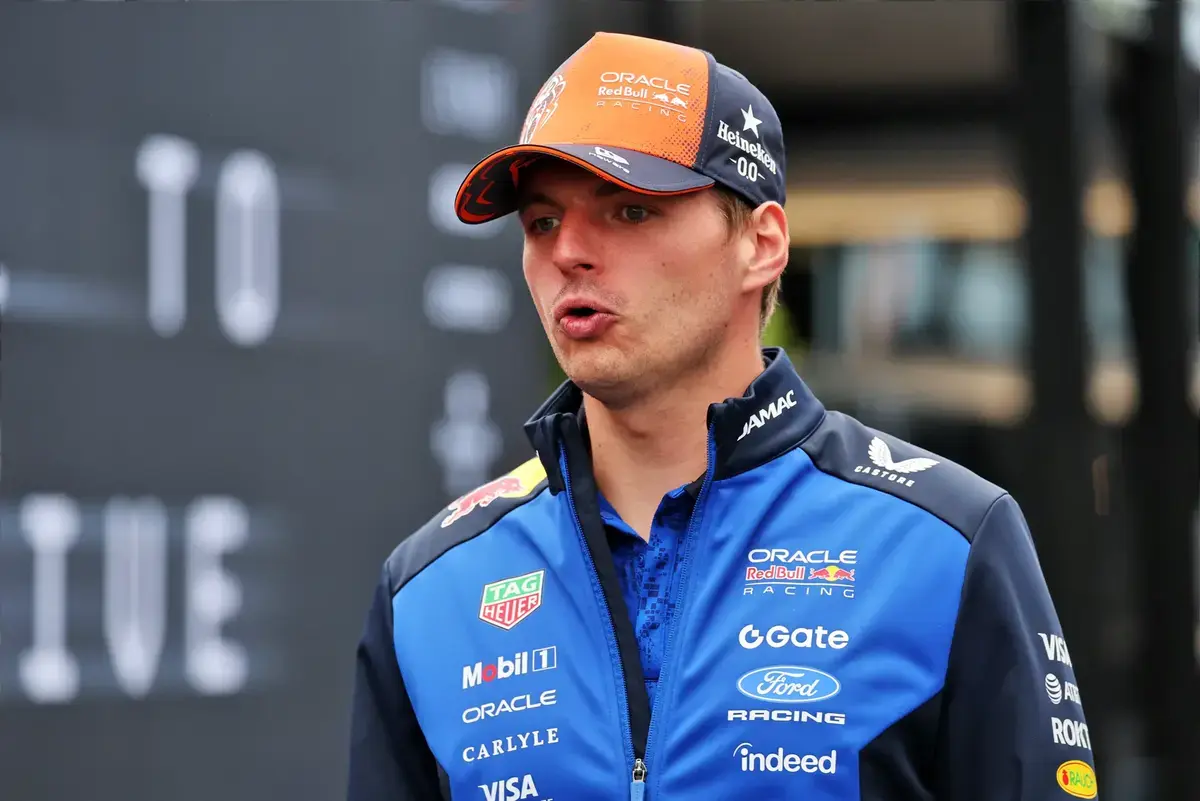
Verstappen himself didn’t exactly discourage the vindication narrative. Speaking to media on Thursday, he described the decision as straightforward and pointed to the openness of Red Bull’s internal communication as the deciding factor, not a sudden leap in lap time.
“It wasn’t really too stressful. It was the right call. I feel really good within the team. We have a lot of belief that we can get back to the top in the coming years. For me, this feels like one big family, so I’m just very happy to be a part of that.” – Max Verstappen
Notice what’s missing from that quote. No mention of a concrete performance breakthrough, no reference to a new wind tunnel correlation or a leap up the constructors’ table. Just belief, family, and open communication, which is exactly the sort of language a driver uses when he’s committing to a project on trust rather than evidence. That’s precisely why Brundle’s framing lands: Verstappen effectively told the paddock he believes in Mekies’ plan before that plan has produced anything tangible on track.
A convenient story, but not necessarily a false one
None of this means Mekies doesn’t deserve some credit. Keeping Verstappen at Milton Keynes while the car struggles and rivals circle is a genuine achievement, whatever the motivation behind it. But fans should be wary of mistaking a driver’s personal loyalty for organisational health. Vindication by contract signature is cheap compared to vindication by championship position, and Red Bull, sixth and fourth in their respective standings, is a long way from the latter.
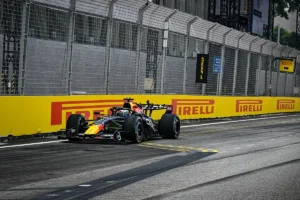
The team’s own recent form does the framing no favours either. Zandvoort’s farewell weekend has been messy for Red Bull regardless of who’s steering the ship, with both cars struggling to find answers before qualifying. If Mekies wants Brundle’s praise to age well, he’ll need results to eventually catch up with the narrative, because right now the two are travelling in opposite directions.
The takeaway
Brundle’s comment is astute precisely because it’s uncomfortable. Verstappen’s signature has bought Mekies time and cover, not proof. Red Bull’s brain drain hasn’t reversed, the podiums haven’t returned, and the questions about direction under the new leadership haven’t gone away, they’ve just been quietened by one man’s decision to stay loyal to a project still very much under construction. Vindication, it turns out, can be borrowed. Whether Mekies can pay it back on track is an entirely different contract.