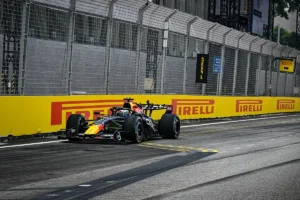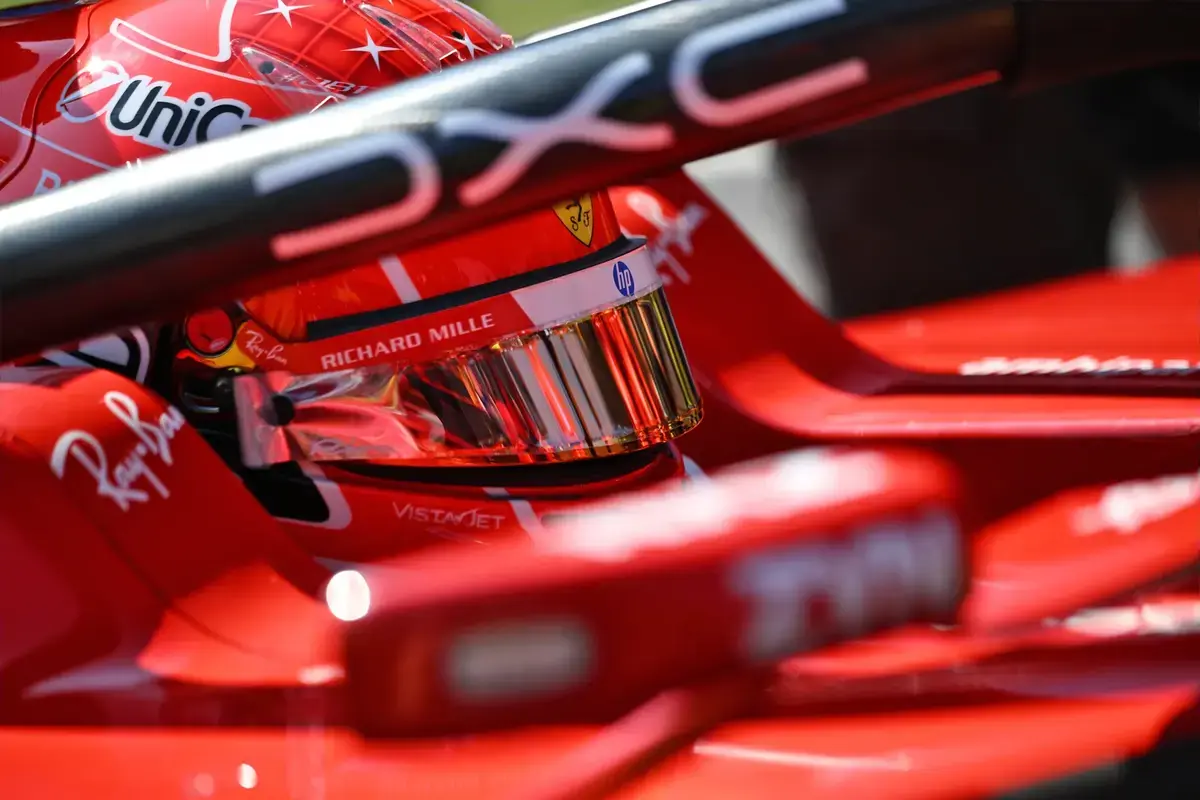

Formula 1 has a shiny new toy on this weekend’s calendar, and the first proper look at it comes courtesy of Ferrari, a filming day, and two drivers who probably had more questions than answers by the time they climbed out of the cockpit. The verdict, based on the onboard footage alone, is not entirely reassuring.
A New Home for the Spanish Grand Prix
The Circuit de Barcelona-Catalunya is being shown the door, and the Madring in Madrid is taking its place as the venue for the Spanish Grand Prix. Lewis Hamilton and Charles Leclerc were the men tasked with putting rubber on the new tarmac, completing a combined 200km of running on Pirelli’s demonstration tyres during a filming day that Ferrari has now shared publicly, as reported by Crash.net.
The track itself was still a construction site when Ferrari rolled up, though the asphalt had been fully laid, which was apparently enough to justify sending two Formula 1 cars round it. Demonstration tyres and a track still finding its feet mean nobody should be reading lap times into any of this. What can be read, though, is the shape of the place, and that is where things get interesting.
Narrow, Blind and Not Exactly Built for a Fight
The onboard footage tells a story that no amount of marketing gloss can talk over. The track is narrow in places, particularly through pit exit, and the undulation across the lap is severe enough to create genuine blind spots heading into braking zones and some of the tighter corners. That is not a small detail. Drivers arriving on a new circuit at unfamiliar speeds, unable to see what is waiting for them over a crest, tends to produce incidents rather than heroics.
Then there is the small matter of overtaking, or the apparent lack of anywhere to do it. The switchback nature of most of the lap, combined with minimal runoff, leaves drivers with essentially one line through the majority of corners. That is the sort of layout that photographs well and races badly. Turn 12, a steeply banked corner, already looks like it will chew through tyres regardless of how carefully anyone manages a stint, which at least suggests strategy will matter even if wheel-to-wheel racing does not.
On the plus side, energy management should not be the headache it has become at some other venues, given the sheer number of braking zones packed into the lap. Small mercies.
What Happens Before Race Weekend
Ferrari’s filming day is not the only running the Madring will see before Formula 1 turns up in earnest. Formula 3 has since held an in-season test at the venue, effectively acting as the guinea pig for the circuit’s systems checks, and that session produced 19 red flags. It was a sensible way to iron out the obvious kinks before a grand prix weekend, though it also means the first meaningful read on the track came from junior single-seaters rather than Formula 1 machinery.
None of this arrives in isolation either. The paddock has just come from a Monza weekend that delivered one of the more chaotic afternoons of the season, with Kimi Antonelli storming from P19 to win the Italian Grand Prix and Ferrari’s own weekend unravelling around a Hamilton-Leclerc clash that has dominated the post-race conversation. Hamilton in particular has been blunt about where he thinks his title bid stands, telling reporters that Ferrari left it too late to fully back him. Against that backdrop, a quiet filming day in Madrid barely registers as news, yet it matters plenty for what comes next on the calendar.
A Circuit Selling Spectacle, Not Racing
New venues arrive with the usual promises: a fresh challenge, a modern facility, a circuit built for the times. What the footage actually shows is something narrower and blunter than the pitch. A track with one line through most corners and barely any runoff is a track that rewards qualifying and punishes anyone hoping to fight their way forward on a Sunday. Formula 1 has built entire venues around the idea that a good lap looks spectacular on camera even when it produces processional racing, and the early signs from the Madring suggest this one might follow that pattern rather than break it.
Construction sites do not always translate into bad racetracks, and a single filming day on demonstration rubber is a fairly thin sample to judge an entire venue on. But the specific combination on show here, blind crests into braking zones and a lack of anywhere to pass, is not the sort of thing that improves once teams start pushing harder. If anything, higher speeds tend to make narrow, low-runoff corners more punishing, not less. Madrid will get its grand prix regardless of how this looks on paper. Whether it gets a race worth watching is a different question entirely, and right now the early evidence is not pointing in an encouraging direction.