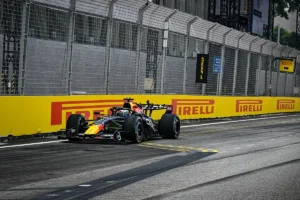

Formula 1 rolled into Spa-Francorchamps and got thoroughly embarrassed. Qualifying for the Belgian Grand Prix laid bare the central absurdity of the 2026 regulations: cars losing up to 50km/h on the straights, drivers coasting through sections they used to attack flat out, and a grid of elite racing drivers sounding less like champions and more like frustrated focus group participants.
The Numbers Are Damning
When Kimi Antonelli took pole with a 1:44.361, he was nearly four seconds slower than Lando Norris‘ pole time from 2025. Four seconds. At Blanchimont, cars were dropping from 320km/h to 270km/h as batteries ran dry. Through Pouhon, the deficit to last year was around 40km/h. Spa, a circuit built on raw speed, has been turned into a masterclass in energy conservation.
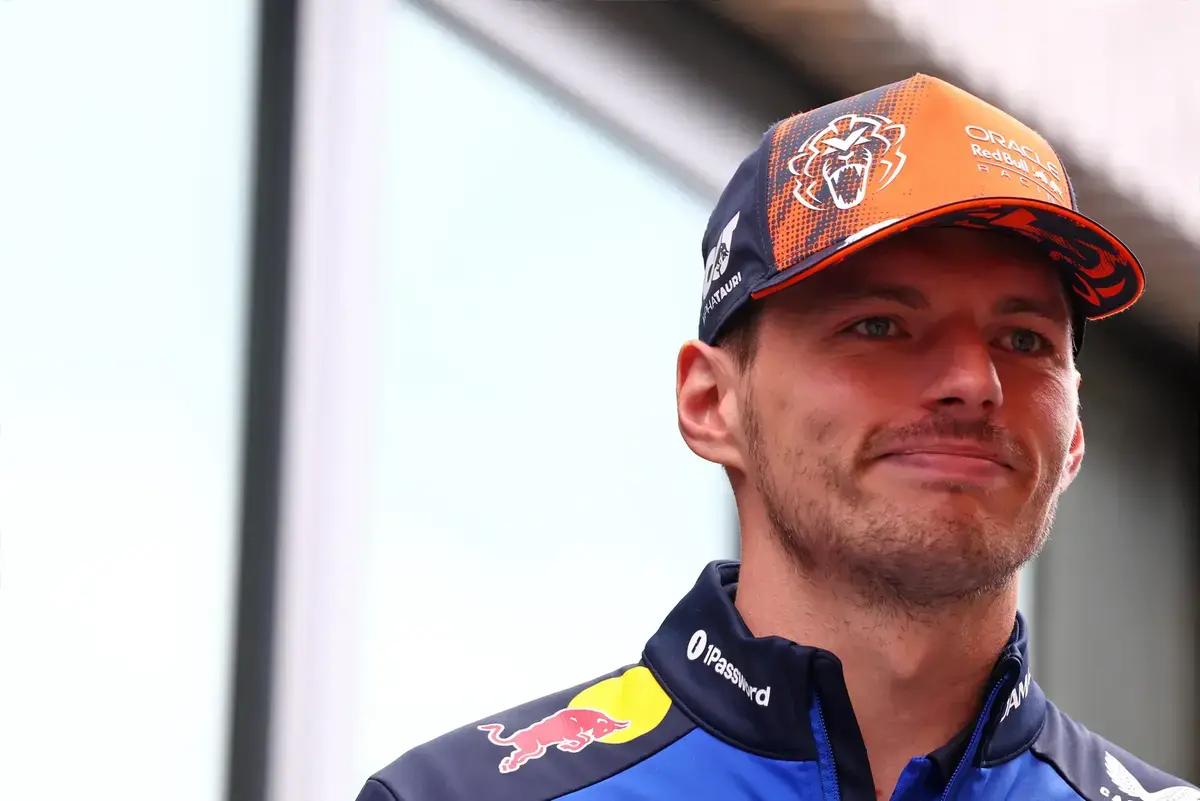
The culprit is well known. The long Kemmel Straight and Blanchimont drain the MGU-K battery completely, leaving drivers to crawl through Sector 2 on the internal combustion engine alone, which produces roughly 450 to 500 horsepower. As Max Verstappen put it with characteristic economy:
“For most of Sector 2, you run just on the engine. So, what is that, 450, 500 horsepower, something like that, which is less or more or less what a Formula 3 car has, but with F1 downforce. So you can imagine that that is not very exciting to drive.” – Max Verstappen
Hamilton’s Sardonic Verdict
Lewis Hamilton agreed, and delivered the sharpest line of the weekend when asked whether anyone should have foreseen the problem. Ferrari arrived at Spa already alarmed by their straight-line deficit, but the issues ran far deeper than one team.
“I’m pretty sure. Yeah, we saw it straight away. I don’t know who made the decision. Whoever it is, they’ve still got their jobs.” – Lewis Hamilton
That sarcastic chuckle at the end deserves its own trophy. Hamilton has been vocal about the 2026 regulations all season, calling them “ridiculously complex” and warning that punishing drivers for going faster through corners, because it costs battery energy, is fundamentally at odds with what racing should be.
Verstappen Is Done Complaining. Sort Of.
Verstappen, who has previously called the 2026 rules “anti-racing” and “Formula E on steroids”, says he is mentally adapting and has stopped publicly griping. The reasoning is self-aware and darkly funny.
“Honestly, I don’t want to sit here complaining again, because then someone will probably shoot me out the door.” – Max Verstappen
Sainz was blunter still, questioning how the original simulations from 2022 and 2023 were ever signed off. The Belgian GP starting grid already told its own story about the chaos this season has produced, with penalties and power unit swaps adding further confusion to proceedings.
Not Everything Is Slower
To be fair, the electric boost does produce some genuinely quick moments. Out of La Source and before Blanchimont, cars are actually faster than in 2025, hitting 330km/h and 335km/h respectively. Oscar Piastri summed it up neatly: you exit some corners with close to 1,000 horsepower, others with 550. The inconsistency is the problem.
Where Does F1 Go From Here?
The ICE/electric split shifts back slightly in 2027, and moves to 60/40 in favour of the combustion engine by 2028. That is the plan. Whether the sport can afford two more seasons of drivers comparing their machines to Formula 3 is a question F1’s decision-makers seem content to ignore. As Hamilton noted, those responsible still have their jobs. So, presumably, does everyone who approved those simulations.