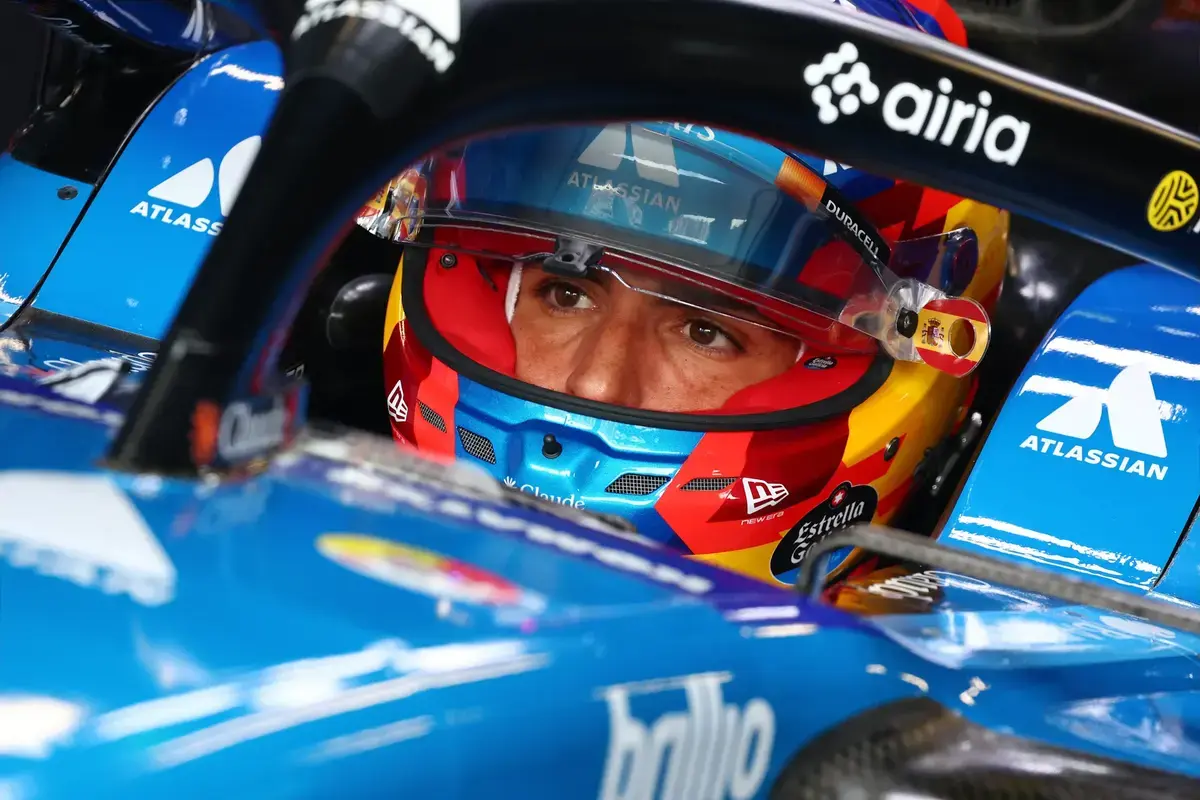

James Vowles wants you to believe the Williams renewal saga was a heartwarming tale of loyalty triumphing over adversity. It wasn’t. It was a team principal sweating bullets over the very real possibility that both his drivers might walk out the door on a car he himself admits was overweight, late and nowhere near the specification it needed to be.
Carlos Sainz and Alex Albon have now signed on for 2027, and Williams duly rolled out the violins. But peel back the PR gloss and what you get is a far more uncomfortable story: a team that built a car so badly conceived that even its own driver is calling it broken beyond repair.
Vowles admits he was sweating
Speaking in Zandvoort, Vowles didn’t hide behind the usual corporate mush. He came straight out and said it.
“[I was] concerned about losing both, because they are world championship material drivers that deserve the opportunity to be fighting for podiums or more,” Vowles admitted, as reported by Motorsport.com.
That’s a remarkable admission from a man who spent last winter selling the world on a rebuild. Vowles built his reputation on convincing Carlos Sainz to leave Ferrari for a supposed project on the up. Twelve months later, he’s openly conceding that project nearly collapsed under its own weight, quite literally, given the FW48 arrived overweight and off the pace from the season opener.
Williams finished a genuinely impressive fifth in the constructors’ standings last year. This season they sit ninth, with 11 points to their name and precisely zero momentum. That’s not a blip. That’s a regression, and Vowles knows it, even as he insists on using softer language in public.
Sainz isn’t buying the spin either
While Vowles talks about turning corners, Sainz has been considerably blunter about what actually went wrong. Speaking to Spanish media at Zandvoort, he didn’t dress it up.
“We’ve created a concept that can’t really be developed, because ultimately it’s a flawed car concept.” – Carlos Sainz
That is not the language of a driver who believes 2026 was simply unlucky. That’s a four-time grand prix winner telling anyone who’ll listen that Williams got the fundamental architecture of this car wrong from the drawing board onwards, and that no amount of clever upgrades will paper over it.
Sainz went further, pointing out that Williams are currently around a second and a half off Red Bull in a race like Hungary, and that gap simply cannot be closed with bolt-on updates. “Unless you bring a completely new car, like Aston Martin did, an upgrade won’t give you a second and a half,” he said. Given Williams‘s upcoming Baku upgrade is being pitched internally as a step towards the top ten rather than a leap into it, that’s a fairly damning assessment from the man supposed to be driving it.
So why stay?
Here’s where it gets interesting. If Sainz thinks the car is conceptually broken, why re-sign at all? His answer, delivered separately to Formula1.com, is that walking away at the first sign of trouble would contradict everything he told the team when he joined.
“I don’t think it’s part of my character to jump ship when the situation is also at its worst,” Sainz said. Albon offered a similar sentiment, insisting this year has forced Williams to confront problems that were “glossed over” even during last year’s more competitive campaign. Both drivers are essentially betting that acknowledging the rot is the first step to fixing it, and that Vowles’ recruitment drive, which has already pulled in ex-McLaren and Mercedes personnel, will eventually pay off.
It’s worth remembering, too, that neither driver had anywhere better to go. With Max Verstappen locking himself into Red Bull until 2030 and every top team keeping its existing line-up intact, Sainz and Albon’s leverage was thinner than Vowles’ PR team would like fans to believe. Staying wasn’t just loyalty, it was also the only realistic option on the table.
The mountain that hasn’t moved
Vowles isn’t pretending this gets fixed overnight. “We’re not going to fix Williams in 12 months. It’s not going to happen,” he said, which is at least refreshingly honest compared to the usual “trust the process” waffle teams peddle when they’re struggling.
But honesty about the scale of the problem doesn’t change the scale of the problem. Williams have effectively confirmed, through their own driver’s mouth, that this year’s car was built on a flawed foundation. That’s a bigger admission than any contract renewal, and it should worry Williams fans considerably more than it seems to have reassured them.
The bottom line
Sainz and Albon staying put is a nice story for the factory floor and a useful line for Vowles to sell to sponsors. But make no mistake, this wasn’t a vote of confidence in the current car. It was a bet on a future that doesn’t exist yet, propped up by two drivers who had nowhere better to go and a team boss who knows exactly how close he came to losing them both.