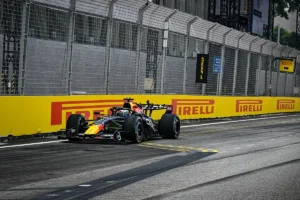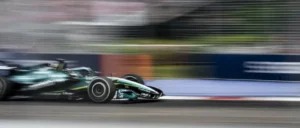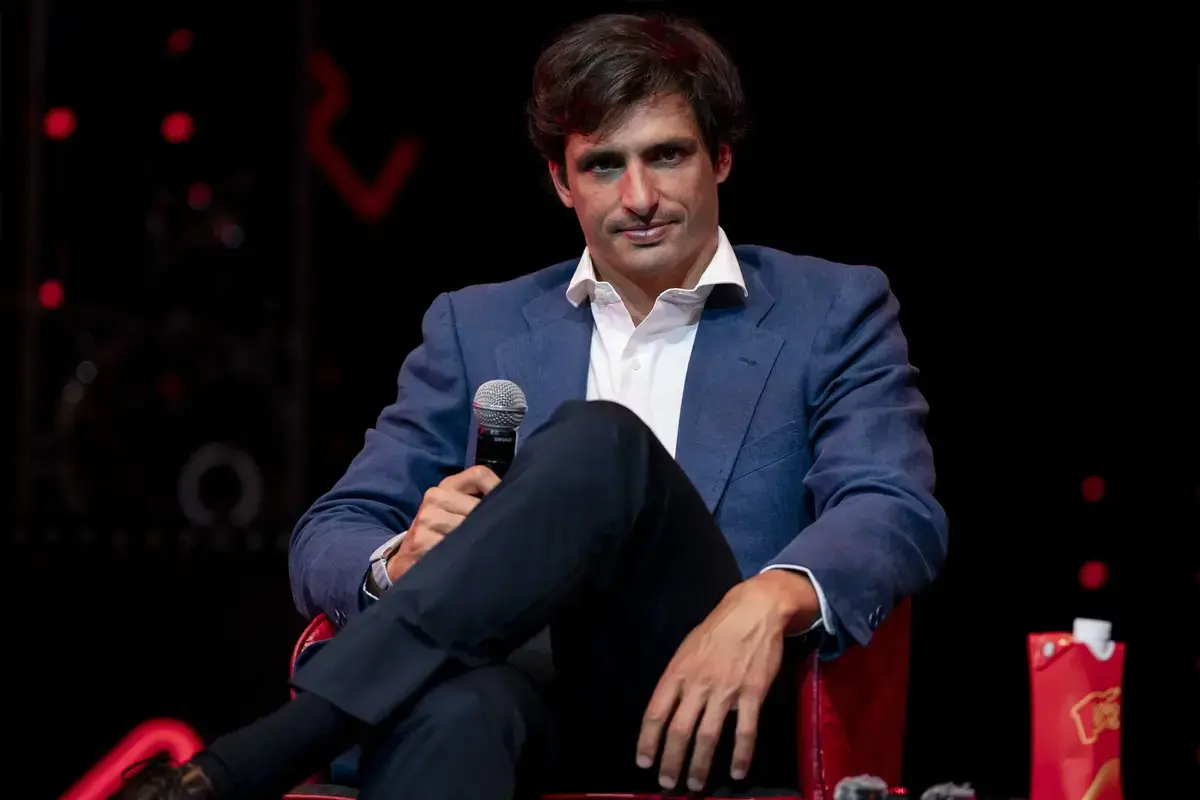

Twelve race weekends into the 2026 season and Formula 1 still has no idea how these new cars behave in the wet. Madrid was supposed to be another chance to find out. It isn’t going to be.
According to the BBC weather service cited by Crash.net, the risk of rain across the entire Spanish Grand Prix weekend sits at 0%. Friday brings a moderate 23 degrees before climbing to 30 as the light fades on FP2. Saturday follows the same script, hitting 31 degrees by the time qualifying gets going. Sunday adds another degree on top for the race itself. Wall-to-wall sunshine, negligible wind, and not a drop of rain in sight. If you were hoping the Madring would finally give these cars their first proper soaking, keep hoping.
A Season-Long Pattern That Refuses to Break
This isn’t a one-off quirk of the calendar. It’s now a running theme. Miami got shuffled forward by three hours to dodge forecast thunderstorms, and then delivered a bone-dry race anyway. Canada was flagged as a Rain Hazard event and stayed dry from lights out to chequered flag. Spa, a circuit that practically has its own microclimate, saw rain fall over the weekend without a single session actually running in it. Zandvoort came closest, with damp conditions at the start of the grand prix, but every driver was already on slick tyres by the time the lights went out, and the only genuinely wet running arrived after the sprint race had already finished.
Add it up and you get a genuinely strange statistic: twelve race weekends have passed under the new regulations without a single wet session. Not a wet FP1, not a wet qualifying, nothing. The only meaningful exposure any team has had to these cars in the rain came during a pre-season shakedown in Barcelona, and that was a handful of squads dipping a toe in, not a full grid learning the car’s limits under braking on a soaked track.
Why That Actually Matters
New regulations always come with an asterisk attached to wet-weather behaviour, because nobody genuinely knows how a car will cope until it’s out there aquaplaning at 300kph with reduced visibility and a nervous driver on the radio. The 2026 cars are lighter, narrower, and built around a completely different aerodynamic philosophy to what came before. Whether that translates into a car that’s benign in the wet or an absolute handful is, right now, a complete unknown, and it’s starting to look like it’ll stay that way for a while yet.
That’s not a trivial gap. Wet-weather pace has decided championships before. A car that’s untested in the rain is a car whose true pecking order nobody, not the teams, not the drivers, not the paddock pundits, can actually verify. Every dry weekend that ticks by without a soaking is another weekend where the current form guide, with Kimi Antonelli sitting handsomely clear at the top of the standings, goes unchallenged by the one variable that tends to scramble everything.
Rain That Never Quite Arrives
There’s a certain dark comedy in how often rain has been forecast this season only to fizzle out. Threatening skies, hazard warnings, nervous strategists staring at radar screens, and then, nothing. Sun, dry track, business as usual. Madrid won’t break that pattern. If anything it doubles down on it, with a “moderate high temperature warning” attached instead of a wet-weather alert. Instead of windscreen wipers, teams will be worrying about tyre degradation and cooling in temperatures nudging past 30 degrees on both qualifying day and raceday.
Historical Rain, Modern Drought
There’s an obvious historical irony here too. Spain has produced properly chaotic wet Grands Prix before, most famously back in 1996 when Michael Schumacher produced one of his defining drives in treacherous conditions. That race happened at Barcelona, not Madrid, and it’s a reminder of how differently this country’s Grands Prix have gone in the past compared to what’s on offer this week. Madrid in 2026 isn’t just a new venue on the calendar, it’s shaping up to be yet another dry entry in a season that keeps promising drama from the sky and keeps failing to deliver it.
What This Means Heading Into the Weekend
None of this changes the fact that the Madring itself is the bigger unknown this weekend, a brand new 20-corner circuit combining public roads and private land, with a steeply banked corner and walls close enough to punish the smallest mistake. But it does mean teams arrive with one fewer variable to worry about. No wet-weather gamble, no scrambled strategy calls, no mixed-conditions lottery to shake up a title picture where Antonelli leads George Russell by 66 points and Lewis Hamilton sits a further ten adrift. Just heat, sunshine, and whatever the new track surface throws up on its own.
At some point this season, these cars will have to race in the rain. Nobody in the paddock actually knows what that looks like yet, and patience for finding out is wearing thin.