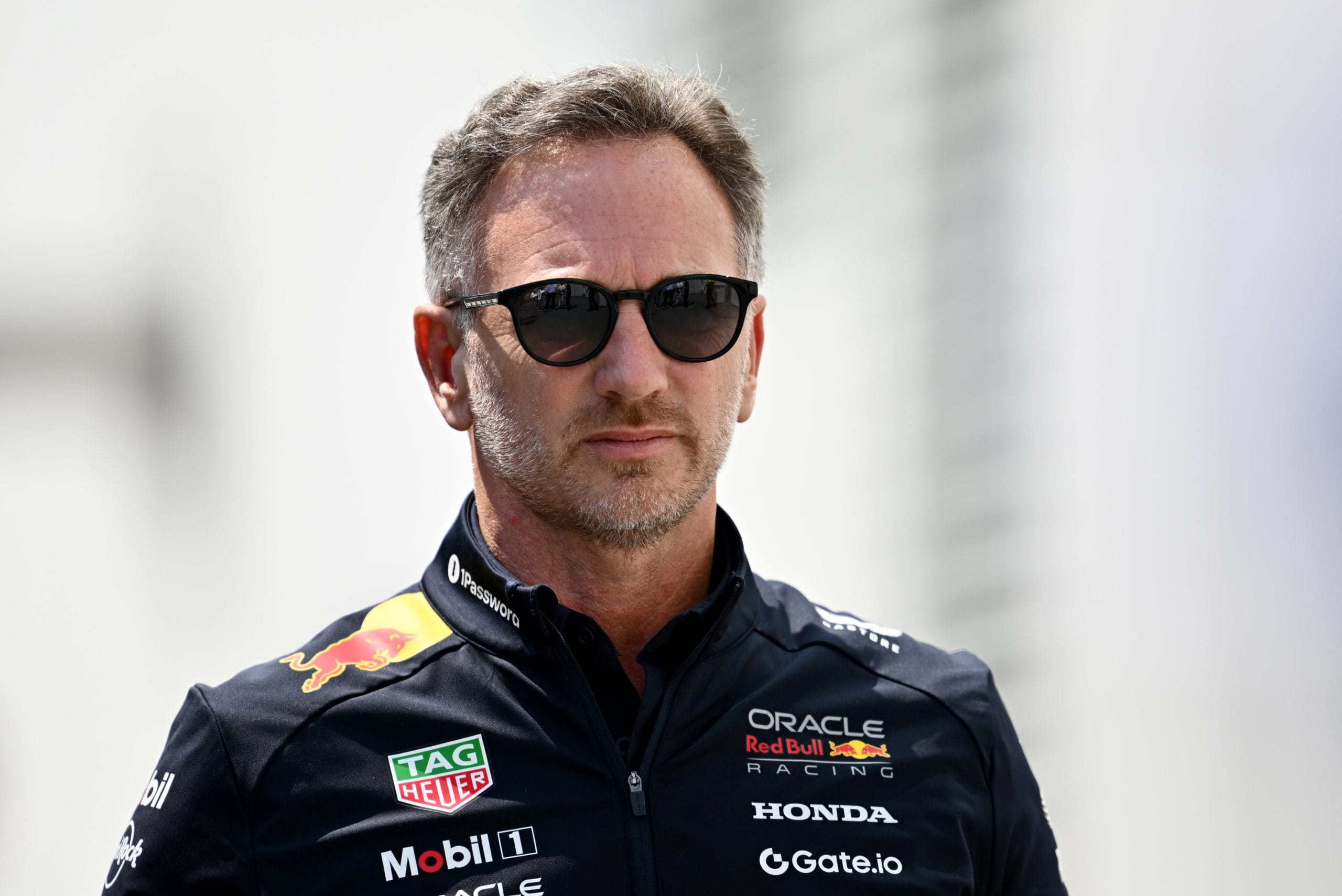

Christian Horner got sacked by Red Bull in July. Five months later, he’s assembling investor groups and chatting with Alpine about buying his way back into Formula 1. Because nothing says “I’ve moved on” quite like plotting your comeback with Flavio Briatore whilst your former team fights for championships without you.
The Brit who spent twenty years building Red Bull’s empire couldn’t even stick around to see Max Verstappen’s fifth title challenge. Now he’s targeting Alpine, F1’s most comprehensively dysfunctional operation. That’s either brilliant opportunism or spectacular desperation. Possibly both.
When Gardening Leave Becomes Investor Hunting Season
Horner’s gardening leave expires in spring 2026. That’s the contractual timeout period where dismissed executives sit at home contemplating their mistakes whilst pretending they’re not desperately planning their next move. Except Horner’s not pretending. He’s assembled a group of investors and opened talks with Alpine about purchasing a stake in the French team.
Multiple sources confirm negotiations are happening. Horner himself doesn’t deny it, though he won’t elaborate either. Alpine’s staying quiet because discussing potential ownership changes publicly would be reckless. And the timing’s rather convenient, isn’t it? Red Bull’s completely restructured their leadership whilst Horner watches from the sidelines. Verstappen nearly won another championship without his former team boss anywhere near the garage.
The Aston Martin Door That Slammed Shut
Horner was linked with Aston Martin earlier this year. Reuniting with Adrian Newey seemed logical. Two Red Bull legends rebuilding another team together. Except Newey got promoted to team principal, which rather eliminated that possibility. Horner reportedly discussed a CEO role instead, but nothing materialised.
Fair enough. Why accept a corporate position when you could own actual equity? That’s what Toto Wolff did at Mercedes. Part-owner and team principal. Horner wants the same arrangement. Not just managing someone else’s operation, but having skin in the game. Proper financial stake. Real decision-making power.
The 24 Percent That Changes Everything
Here’s where Alpine becomes interesting. Renault Group owns most of the team, but since 2023, American consortium Otro Capital holds 24 percent of shares. That investment group includes boxer Anthony Joshua, golfer Rory McIlroy, and actor Ryan Reynolds. Celebrity investors who apparently fancy losing money on French racing teams.
Word around the paddock suggests Otro Capital’s exploring sale options for that stake. Which creates opportunity for someone like Horner with investor backing. Buy that 24 percent block, negotiate operational control, install yourself as team principal, and suddenly you’re back in Formula 1 with genuine ownership.
Briatore’s running Alpine’s operations currently. He and Horner know each other well enough. Two veterans who understand F1’s political machinery. Whether they can actually work together remains properly questionable, but stranger partnerships have succeeded.
When Last Place Becomes Your Best Option
Let’s address the uncomfortable reality. Alpine finished dead last in 2025. Tenth place. Zero podiums. Their best result was seventh. They abandoned Renault power units for Mercedes engines starting 2026. Pierre Gasly and Franco Colapinto will drive cars designed by a team that comprehensively failed for an entire season.
That’s what Horner’s targeting. Not a front-running operation. Not even a midfield contender. The worst-performing team on the grid. Because it’s available and affordable and represents his quickest route back into relevance.
Fair play to him, actually. Better to run a struggling team you partially own than work for someone else’s successful operation. At least at Alpine he’d control his own destiny. Make his own decisions. Build something rather than managing someone else’s vision.
The Timing Nobody Mentions
Spring 2026 marks Horner’s return to eligibility. Coincidentally, that’s exactly when the sport’s most radical regulation changes arrive. New power units. Active aerodynamics. Completely different cars. Everyone starts fresh. No established advantages. Just teams figuring out new rules simultaneously.
Perfect timing for someone wanting to rebuild credibility. Join Alpine during the reset. Avoid comparisons to their 2025 disaster because 2026’s machinery will be unrecognisable. Spend that first year establishing systems, hiring personnel, developing infrastructure. Then compete properly in 2027 once foundations are solid.
McLaren CEO Zak Brown reckons Horner’s definitely coming back. Called him an “incredible team principal” whilst admitting recent years haven’t gone well. Which is diplomatic language for “he got sacked after twenty years because results collapsed.”
“I think he’s coming back. But I think the sport is full of different characters: good guys, bad guys, and they’re all different. I think that’s what makes the sport so fascinating.” – Zak Brown
Translation? Horner’s a controversial figure who’ll absolutely return because F1 thrives on personalities that generate headlines and conflict.
When Your Replacement Proves You Were Expendable
Here’s the truly awkward element. Laurent Mekies replaced Horner at Red Bull. Within months, Verstappen was winning races again. The team stabilised. Internal drama subsided. Helmut Marko eventually departed, but Red Bull kept functioning. They mounted a championship challenge that fell just two points short.
All without Horner. Twenty years of leadership rendered irrelevant in half a season. That’s got to sting properly. Watching your former team nearly win another title whilst you assemble investor presentations about rescuing Alpine from oblivion.
But that’s Formula 1. Nobody’s irreplaceable. Teams adapt. New leaders emerge. Operations continue. Red Bull didn’t collapse without Horner. They just recalibrated and kept racing.
The Deal That Might Never Happen
Will this actually materialise? Genuinely unclear. Horner’s talking with Alpine but not confirming details. Alpine won’t comment publicly on ownership speculation. Otro Capital hasn’t announced anything. The entire situation exists in that murky space between rumour and reality.
Maybe Horner successfully assembles enough backing to purchase meaningful equity. Maybe Briatore welcomes him aboard. Maybe they transform Alpine into a competitive operation starting 2026. Or maybe negotiations collapse over valuation disagreements, control disputes, or personality conflicts. Both outcomes seem equally plausible.
Either way, Horner’s planning his return. Whether it’s Alpine or another opportunity that emerges, he’s determined to get back on the grid. Can’t really blame him. Twenty years building Red Bull’s success doesn’t prepare you for retirement at 52. Especially when you got sacked rather than choosing to leave.
So watch this space. Spring 2026 approaches. Horner’s gardening leave expires. And Formula 1 might gain a team principal who’s properly motivated to prove his former employers made a catastrophic mistake. Whether Alpine becomes that platform remains the multimillion-pound question nobody can answer yet.