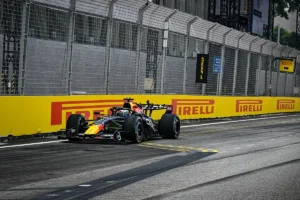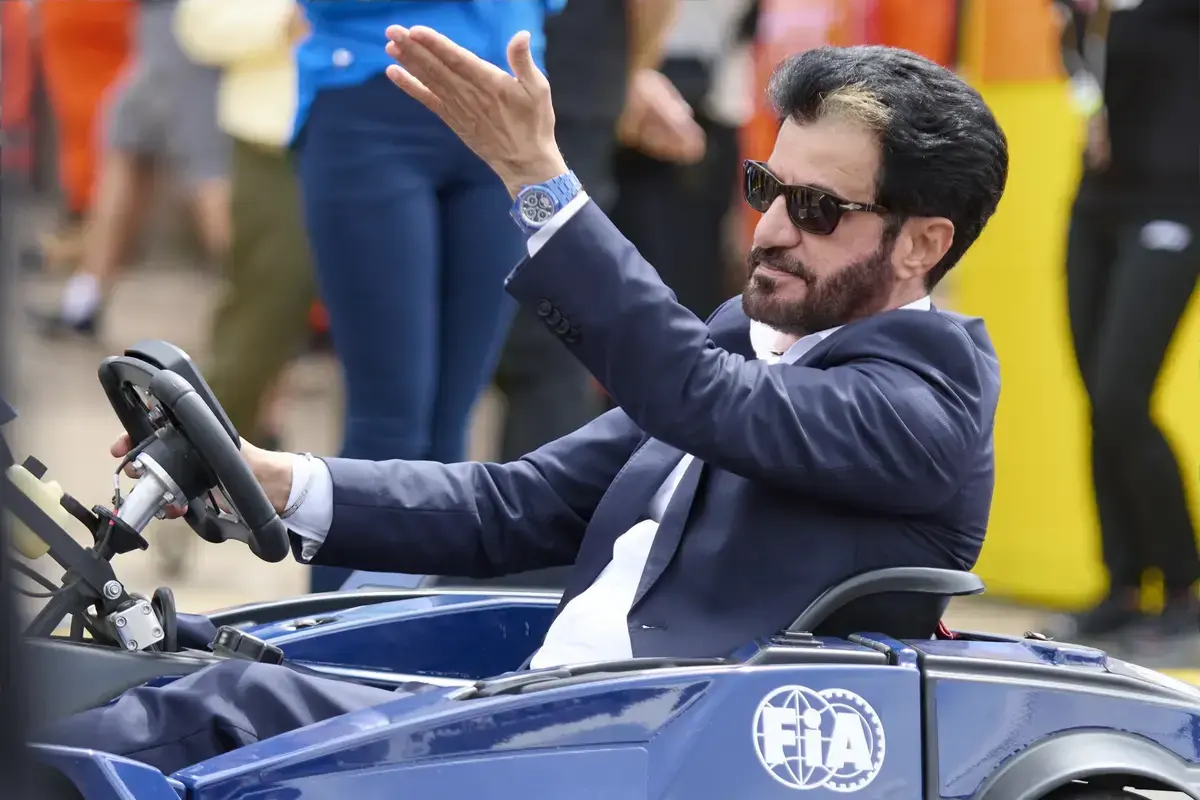

The 2026 season is barely half a year old, and the FIA is already drawing up plans to bin the power unit formula that replaced it. Mohammed Ben Sulayem wants V8 engines, refuelling and an independent engine supplier from 2031, and if that sounds like a tacit admission that the current rules are a mess, that is because it absolutely is.
The V8 is Coming Back
Ben Sulayem has been blunt about it: the return of the naturally aspirated V8 is, in his words, a matter of time. The criticisms of the current 2026 units are well-documented. Max Verstappen called them Formula E on steroids. His season has been a misery, and the engine formula has only added to the frustration. Cars lifting off on the straights is not exactly what the sport sells itself on.
The V8 plan targets a weight reduction of roughly 100kg, getting cars below 650kg. Heavy battery packs and energy recovery systems would largely disappear, replaced by a lighter hybrid element contributing somewhere between ten and fifteen percent of total power. Compare that to the current near-50/50 split and you begin to understand the scale of the reset being proposed.
Breaking the Manufacturer Stranglehold
Here is where it gets genuinely interesting. Ben Sulayem wants the FIA to appoint an independent engine supplier, a modern Cosworth-style operation, to provide an affordable, off-the-shelf V8 that any team can purchase. The political motivation is not subtle.
“There will be no control over the teams, A-team over the B-team, that’s supplied with their engines. If it is affordable, then we will have one engine for the rest of the B-teams, so nobody can leverage them.” – Mohammed Ben Sulayem
In other words, no more engine suppliers quietly threatening customer teams over how they vote in the paddock. The Red Bull and Racing Bulls dynamic has already drawn scrutiny, and McLaren CEO Zak Brown wrote to Ben Sulayem expressing concern about manufacturer influence. The FIA’s answer is to simply make the engine cheap enough that nobody needs a factory deal.
Refuelling Back on the Table
Because V8s consume more fuel than turbo hybrids, the FIA is studying whether refuelling needs to return. The maths are awkward: cutting 100kg from the car only to fill it with 150kg of fuel rather defeats the purpose. Pitstop fuelling was banned after 2009 on safety and cost grounds, and estimates suggest reinstating it would cost each team around four million dollars per year.
Ben Sulayem insists safety is manageable if handled correctly. Fans will draw their own conclusions.
Can the FIA Actually Pull This Off?
The Concorde Agreement expires at the end of 2030, meaning the FIA can theoretically impose 2031 regulations unilaterally. Ben Sulayem has said as much. But alienating the manufacturers it spent years courting would be a spectacular own goal. A supermajority of the current six power unit makers could even accelerate the V8 switch to 2030. Most are reportedly on board. Audi, unsurprisingly, wants to keep a turbocharger. It appears to be standing alone on that one.
Five years of work still lie ahead. Given how smoothly the 2026 regulations went, you would be forgiven for not holding your breath.