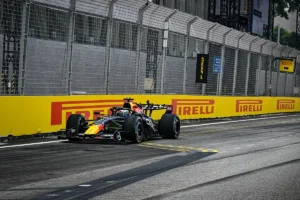

The FIA has lifted its ban on Russian and Belarusian competitors in international motorsport, with immediate effect, allowing drivers and teams to race under their national flags and anthems once more. The war in Ukraine is still ongoing. Make of that what you will.
What the FIA Actually Decided
The World Motor Sport Council voted on 3 August and the FIA’s legal office circulated the decision on 13 August. The message is unambiguous: Russian and Belarusian drivers, national teams, competitors and officials may participate in international competitions without any restrictions. The neutrality declaration they were previously forced to sign is scrapped entirely.
National symbols, flags on suits and cars, and the playing of national anthems are all permitted again. Four years of restrictions, gone at a stroke.
“Russian and Belarusian drivers, national teams, individual competitors and officials are allowed to participate in international/zone competitions without any restrictions. The requirement of signing a commitment to neutrality no longer applies.” – FIA World Motor Sport Council
What Stays Banned, and What It Means for F1
Before anyone panics about a Sochi comeback, one restriction remains: no international events may be held on Russian or Belarusian soil until further notice. Formula 1 cancelled its Russian Grand Prix contract in 2022 and that deal is dead. No return is imminent.
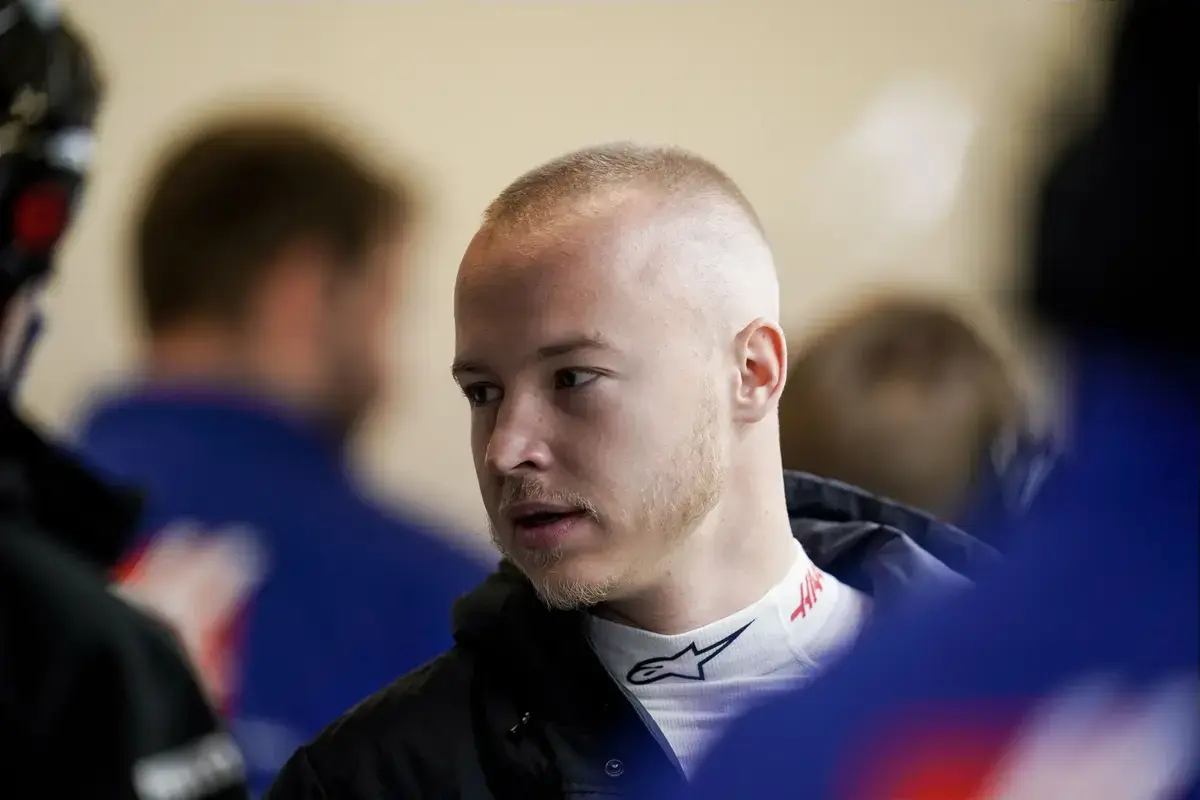
The practical impact on the 2026 F1 grid is also effectively zero. There are no Russian or Belarusian drivers in the championship. Nikita Mazepin, the most prominent recent example, lost his Haas seat when sponsor Uralkali withdrew following the invasion. Individual sanctions against wealthy Russian families remain entirely separate from FIA sporting regulations, so his situation is unlikely to change regardless.
The Question Nobody Wants to Answer
The FIA says it is monitoring events in Ukraine and reserves the right to reimpose measures. Reassuring. But the timing deserves scrutiny. The IOC partially eased restrictions before Paris 2024 for individual athletes, under strict conditions. The FIA has now gone further, lifting restrictions comprehensively, while the conflict shows no sign of ending.
The FIM, which governs motorcycle racing, has retained its full ban. That split within motorsport is awkward and the FIA has not explained why its calculus differs from the FIM’s. Commercial history is worth remembering here: the Sochi race brought in substantial revenue between 2014 and 2021, and Uralkali’s Haas sponsorship kept Russian money visible in the paddock. Principles and bank accounts have a complicated relationship in this sport, as our coverage of the FIA’s own governance struggles has illustrated.
Who Does This Actually Help?
Russian drivers competing in lower categories have been racing under Italian, Israeli and other licences for years. The ban was inconvenient, not crippling. The symbolic value of this decision far outweighs its practical effect, at least for now. Whether that symbolism is a positive signal or a deeply uncomfortable one depends on which side of the conflict you find yourself on.
The FIA has chosen its position. Whether the sport’s fans and stakeholders agree is quite another matter.