
The FIA has given its blessing to one of 2026’s most talked-about technical innovations, the rotating rear wing nicknamed the Macarena wing. But buried in that approval is an uncomfortable truth for Red Bull: their version needed extra work, and two crashes likely had something to do with that realisation.
How the Macarena Wing Took Over F1
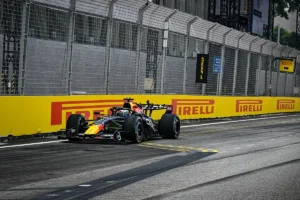
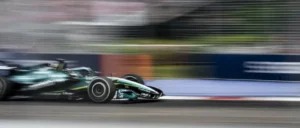
Ferrari introduced the rotating rear wing concept during winter testing and caught the paddock off guard, McLaren included. Red Bull was already developing its own take behind the scenes, and technical director Pierre Wache was keen to stress it was an independent effort. Red Bull’s wing rotates in the opposite direction to Ferrari’s, so the distinction is at least credible. The problem was Red Bull simply could not get it race-ready in time for the season opener. It finally appeared in Miami.
Verstappen’s Crashes Put the Wing Under the Microscope
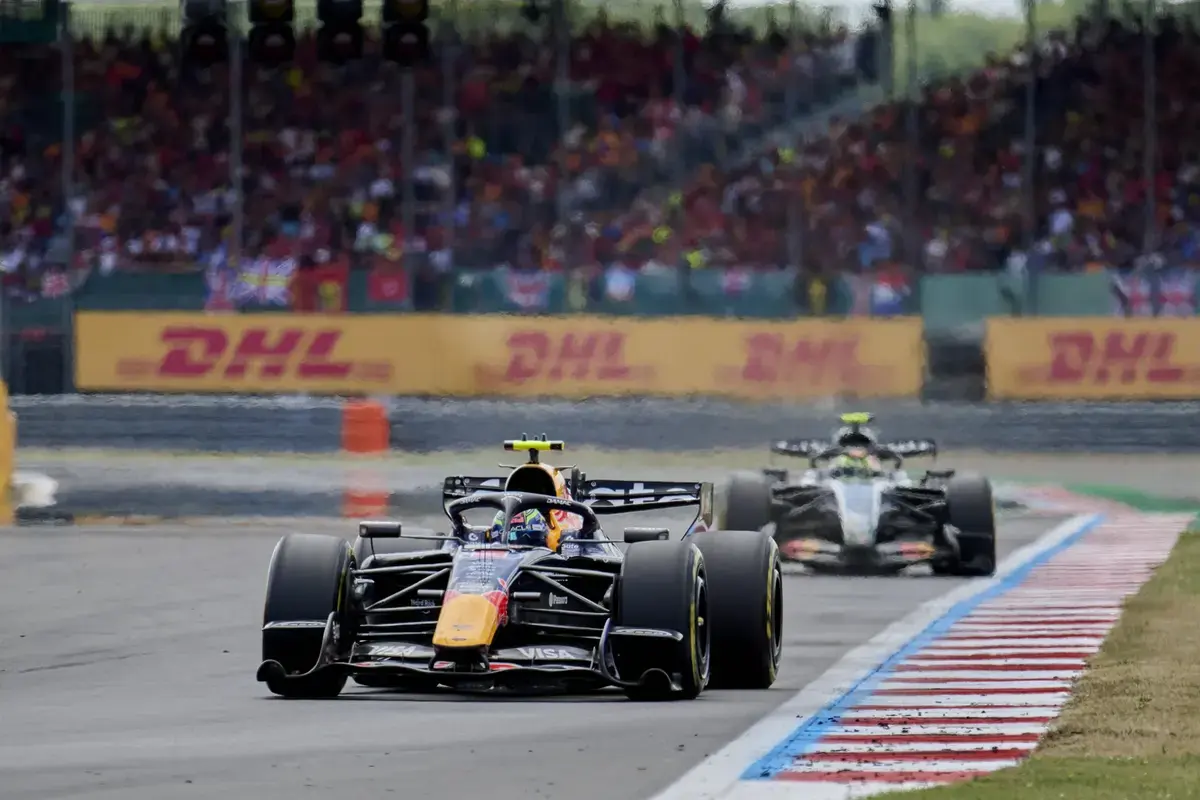
Things ticked along without incident for both teams until Max Verstappen crashed in both Spielberg and Silverstone in consecutive weekends. Suddenly the Macarena wing was very much under the microscope. The FIA requested additional information from both Red Bull and Ferrari, which the governing body framed as equal treatment rather than finger-pointing. That is a diplomatic way of saying: we needed answers.
The FIA’s Verdict: Concept Fine, Red Bull’s Execution Less So
FIA single-seater director Nikolas Tombazis confirmed the overall concept is here to stay, outlining what the safety assessment actually involved.
“When the first such design appeared, we wanted to make sure that it is entirely safe. Mainly, we wanted to be sure that there was never a risk of a hydraulic failure, meaning that the wing is staying open and could not come back to a closed position. And also, we wanted to make sure that it does so in a very short amount of time.” – Nikolas Tombazis
All well and good for Ferrari. For Red Bull, the story is more nuanced. The FIA stopped short of formally banning their wing, but the conversations clearly prompted the Milton Keynes outfit to admit there was still work to do.
“We haven’t specifically told them ‘no, you cannot race it’, but they needed to do a bit more work to be sure.” – Nikolas Tombazis
Belgium, Hungary, and the Quiet Retreat
The consequence was tangible. Red Bull reverted to a conventional rear wing specification in Belgium before bringing the rotating version back for both Verstappen and Isack Hadjar in Hungary. Wache confirmed the issues were mechanical in nature. Given that the relationship between Verstappen and Red Bull is already under strain, having your flagship innovation quietly pulled for emergency remediation is not the ideal backdrop for the Dutch GP.
McLaren, meanwhile, has tested its own rotating wing and plans to race it at one of the first weekends after the summer break. If their execution is cleaner than Red Bull’s was, expect Woking to be very pleased with itself indeed.
The Bigger Picture
The FIA has handled this with its usual blend of diplomacy and studied vagueness. No formal ban, no formal order to change anything, just a series of productive conversations that somehow resulted in Red Bull stripping their wing off the car for an entire race weekend. Whatever you call that process, it worked. Whether it should have been necessary in the first place is a different question entirely.