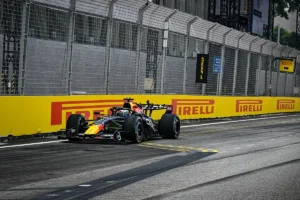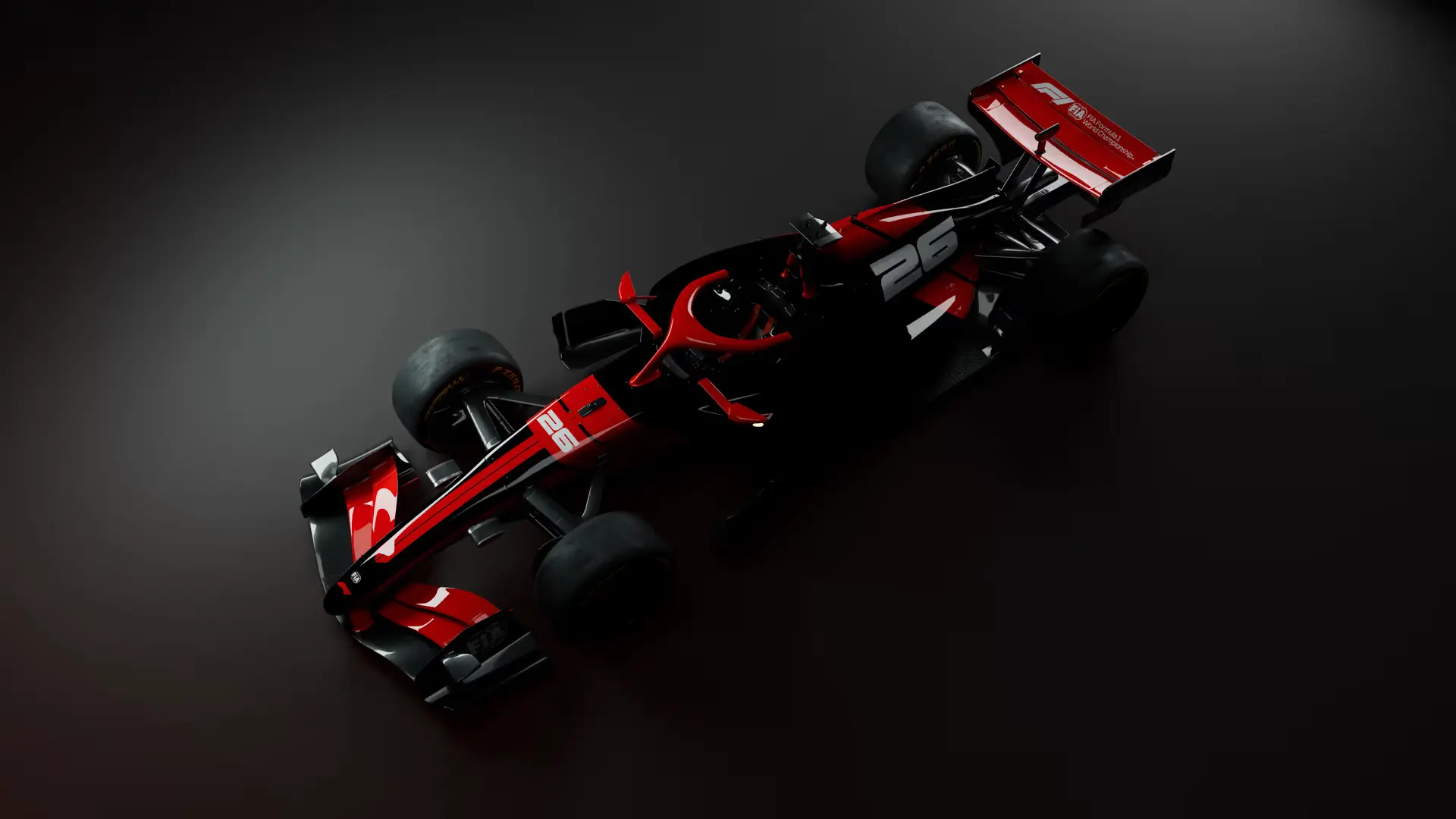

Formula 1’s about to do something it hasn’t attempted in over a decade. Completely reinvent itself. From March onwards, everything you thought you knew about modern F1 becomes historical reference material. New engines. Different aerodynamics. Unfamiliar racing dynamics. An 11th team entering the grid. And yes, DRS finally getting binned after 15 years of artificial overtaking assistance.
The 2026 season represents F1’s biggest regulatory reset since 2014’s hybrid era began. Except this time they’re changing chassis and power units simultaneously, which means every team’s gambling on interpretations nobody fully understands yet. Will Max Verstappen and Red Bull maintain dominance? Can Mercedes reclaim their throne? Does Ferrari’s engine wizardry finally deliver championships? Nobody knows. That’s what makes this properly interesting.
What’s Actually Changing: The Big Picture
Let’s cut through the corporate waffle. The FIA’s rewritten both technical rulebooks simultaneously. New chassis regulations produce shorter, narrower, lighter cars with completely revised aerodynamic philosophies. New power unit regulations triple electrical output whilst reducing combustion power, creating roughly 50-50 hybrid systems running on sustainable fuels.
The goal? Make cars harder to drive, easier to follow, and more entertaining to watch. Whether that actually happens remains theoretical until racing begins. But the ambition’s clear: return driver skill to centre stage whilst attracting manufacturers through road-relevant technology.
The Power Units: When Going Electric Becomes Unavoidable
Here’s where things get properly interesting. The 1.6-litre V6 turbo hybrid remains, but its power balance has shifted dramatically. The combustion engine’s output drops. The electric motor’s trebles. That creates the 50-50 split between petrol and electricity that’s supposedly more attractive to manufacturers.
The MGU-H disappears entirely. That’s the complex thermal energy recovery system that made these engines engineering marvels but cost fortunes to develop. Good riddance, according to manufacturers who found it expensive and irrelevant to road cars. The Energy Recovery System can now harvest twice as much energy per lap through braking and lift-and-coast techniques.
Fuel capacity drops from roughly 105kg to about 70kg. That’s significant. Drivers will rely heavily on electrical deployment and energy management to maintain pace. Run out of charge mid-lap? Tough luck. Your rival just disappeared into the distance.
The Sustainable Fuel Revolution Nobody’s Questioning
For the first time ever, F1 power units run on Advanced Sustainable Fuels. That’s fuel produced from carbon capture, municipal waste, and non-food biomass. Independently certified to meet sustainability standards. Already trialled in F2 and F3 during 2025.
Does this solve motorsport’s environmental concerns? Not remotely. But it demonstrates commitment to developing technologies that might actually matter beyond racing. Unlike the MGU-H, which was brilliant engineering with zero real-world application.
Who’s Building These New Engines?
Four manufacturers committed to the 2026 regulations. Ferrari and Mercedes continue their decades-long F1 involvement. Honda’s back after their fourth “final” departure in 2020, exclusively supplying Aston Martin. Audi joins via their Sauber takeover. Red Bull Powertrains partners with Ford, bringing American manufacturer branding back to F1 after years away.
General Motors will arrive in 2029 with their own power units for Cadillac. That’s five major manufacturers competing in F1’s engine formula. When’s the last time that happened? The regulations worked, at least in attracting commitment.
Active Aero: When Your Wings Do The Thinking
DRS is dead. Proper dead. That mobile rear wing flap that’s assisted overtaking since 2011 finally gets binned. What replaces it? Active aerodynamics that adjust both front and rear wing elements depending on track position.
In corners, the flaps stay closed to maintain downforce and grip. On designated straights, drivers activate Low-Drag Mode, opening both wing elements to flatten airflow, reduce drag, and boost top speed. This works everywhere, every lap, for every driver. No more one-second proximity requirements.
But here’s the catch. The FIA will automatically deactivate the system after certain distances to prevent drivers entering corners with wings open. That’s specifically designed to avoid incidents like Jack Doohan’s Suzuka crash in 2025 when misjudging DRS zones proved catastrophic.
Overtake Mode: Because Following Cars Still Needs Help
Active aero replaces DRS’s drag reduction benefits. But proximity-based assistance hasn’t disappeared entirely. When you’re within one second of the car ahead at detection points, you unlock Overtake Mode.
That provides an extra 0.5 megajoules of electrical charging and deployment. Use it all at once for maximum attack. Spread it across the lap for sustained pressure. Your choice. The leading car reduces energy expenditure above 290km/h, whilst pursuers access full 350kW power until 337km/h.
Defending drivers get Boost Mode. That’s increased energy deployment when your battery’s sufficiently charged. Use it for attack or defence depending on circumstances. Then there’s Recharge Mode for recovering energy through braking, partial throttle, lift-and-coast, or even “super clipping” at full throttle on straights.
Three tactical tools. Active Aero for everyone. Overtake Mode for attackers. Boost Mode for battlers. Drivers will manage these systems whilst racing wheel-to-wheel at 200mph. What could possibly go wrong?
The Chassis Changes: Smaller, Lighter, Hopefully Better
Current F1 cars are massive. Heavy. Difficult to drive. The 2026 regulations address this by shrinking dimensions and cutting minimum weight. Wheelbases shorten. Overall width narrows. Tyres get slimmer whilst remaining 18 inches. The little arches above front tyres disappear entirely.
Ground-effect aerodynamics dominated from 2022 through 2025. Those complex floor tunnels and porpoising nightmares? Gone. Replaced by flatter floors with extended diffusers featuring bigger openings. This should reduce downforce whilst allowing higher ride heights and greater setup variety.
Simpler Wings, New Development Battlegrounds
Both front and rear wings feature fewer elements. Rear beam wings vanish completely. Front wings use narrower components with new development areas on outer sections. That’s significant because front wing performance heavily influences overall aero efficiency.
Expect teams to wage development wars over these outer sections. Small gains there translate into lap time improvements everywhere. McLaren’s 2025 dominance came partly from superior front wing design. Who cracks the 2026 philosophy first?
Will They Actually Be Lighter?
The minimum weight limit drops. But can teams actually hit it? Modern F1 cars struggle to meet weight targets even when regulations allow generous margins. Cutting kilos from already optimised machinery proves spectacularly difficult.
If teams can’t reach minimum weight, they’ll add ballast low in the chassis for optimal centre of gravity. If they exceed it? They’re carrying performance-sapping mass that rivals don’t. That weight battle could separate frontrunners from midfield strugglers before anyone even discusses aerodynamic efficiency.
Safety Improvements Nobody Notices Until They Matter
The drivers’ survival cell faces more rigorous testing. Roll hoops strengthen to handle 23 per cent more load. That’s roughly nine family cars’ worth of extra force protection. Front impact structures redesign to separate in two stages, providing better protection during secondary impacts after initial contact.
These changes won’t generate headlines until someone walks away from a massive accident that might’ve caused serious injury under previous regulations. That’s when we’ll appreciate the FIA’s relentless safety improvements.
The 2026 Grid: 11 Teams, 22 Drivers, One Rookie
Cadillac joins as F1’s 11th team after years of Formula One Management resistance. Based at Silverstone and Indianapolis, they’ll use Ferrari customer engines until introducing their own power units in 2029. Team principal Graeme Lowden leads the operation.
Their driver lineup prioritises experience. Valtteri Bottas returns after sitting out 2025 as Mercedes reserve. Sergio Pérez gets his F1 lifeline after Red Bull dropped him mid-2025. Together they’ve started 527 grands prix and won 16 races. That’s the oldest and most experienced pairing on the grid.
The Only Rookie You Need to Know
Arvid Lindblad joins Racing Bulls as 2026’s sole rookie. The British teenager graduated from Formula 2 directly into F1’s most challenging regulatory reset in years. Liam Lawson partners him after surviving Red Bull’s driver programme chaos.
Meanwhile Isack Hadjar gets promoted to Red Bull Racing alongside Verstappen. Yuki Tsunoda drops to reserve driver status after failing to match the Dutchman’s pace during their brief partnership. That’s the only significant driver movement compared to 2025’s grid.
Which Manufacturers Are Where?
Ferrari supplies customer engines to Haas, Sauber (now Audi, who’ll introduce their own units), and Cadillac. Mercedes powers McLaren, Williams, and Alpine after Renault shuttered their historic engine programme. Red Bull-Ford power units go exclusively to Red Bull Racing and Racing Bulls. Honda’s exclusive Aston Martin partnership marks their F1 return.
That’s significant. Honda previously supplied multiple teams. Now they’re all-in with one outfit, presumably dedicating full resources to making Aston Martin competitive. Whether that strategy works remains theoretical until racing begins in March.
The 2026 Calendar: 24 Races, New Spanish Venue
F1’s 2026 calendar features 24 grands prix across nine months. The season opens in Australia on March 8th rather than Bahrain’s traditional slot. That Asia-Pacific swing includes China and Japan before heading to the Middle East for Bahrain and Saudi Arabia.
The main calendar change? Madrid replaces Imola. The new Madring street circuit hosts Spain’s second race at season’s end, following Barcelona’s traditional summer slot. Italy loses its second venue after Imola’s pandemic-era return ends.
Six Sprint Weekends, Completely Redistributed
Sprint races continue despite limited enthusiasm. But their calendar distribution changes dramatically. Previously they concentrated at season’s end, seemingly designed to delay championship conclusions. Not anymore.
China, Miami, Montreal, Silverstone, Zandvoort, and Singapore host 2026’s sprint events. Three venues try the format for the first time. Is F1 experimenting before expanding sprint weekends further? Probably. Don’t expect them to disappear anytime soon.
Pre-Season Testing: More Days, More Data, More Panic
The biggest rules change in over a decade requires extended testing. Five days of running happen at Barcelona’s Circuit de Catalunya from January 26-30th. That’s behind closed doors, allowing teams to discover fundamental problems without public embarrassment.
Then come two three-day tests at Bahrain International Circuit. February 11-13th and February 18-20th. That’s 11 total testing days compared to the usual three. Will it be enough? Teams will still arrive at Australia with uncertainty about reliability, performance, and whether their design philosophy actually works.
Key Terms You Need to Know
Active Aero: Adjustable front and rear wing elements that open on straights (Low-Drag Mode) and close in corners for grip.
Overtake Mode: Extra electrical energy deployment available when within one second of the car ahead at detection points.
Boost Mode: Maximum power deployment from engine and battery, usable for attack or defence when battery charge allows.
Recharge Mode: Driver-controlled battery charging through braking, lift-and-coast, or throttle management.
MGU-H: The thermal energy recovery system that’s been deleted from 2026 power units.
Advanced Sustainable Fuels: Carbon-neutral fuel produced from waste materials and carbon capture, replacing traditional petroleum.
What Actually Happens When Racing Starts?
Nobody knows. That’s the honest answer. Every regulation reset produces surprises. Mercedes dominated 2014-2020 after nailing the hybrid formula. Red Bull cracked 2022’s ground effect regulations better than rivals. Who’ll master 2026’s combination of active aero and 50-50 hybrid power?
Ferrari’s engine expertise might finally translate to championships. Mercedes could reclaim their throne after years of mediocrity. Red Bull’s in-house power unit programme might immediately compete with established manufacturers. Or someone completely unexpected might nail an interpretation others missed.
The only certainty? January’s Barcelona shakedown will provide the first real answers. Until then, it’s speculation, hope, and manufacturers insisting their preparations are “on schedule” whilst privately panicking about whether anything actually works.
Welcome to F1 2026. Where everything changes and nobody knows what happens next. Isn’t that why we watch?