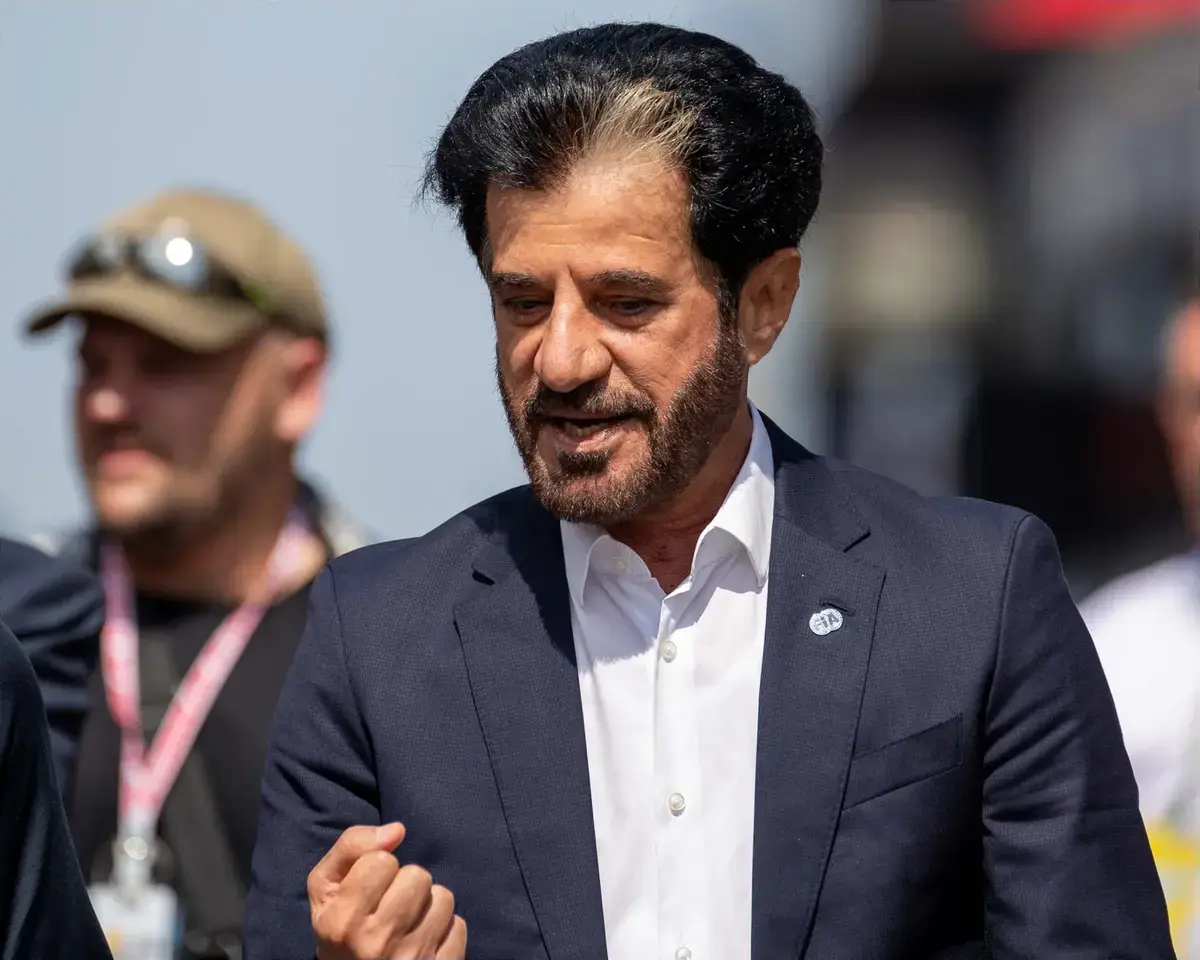

Mohammed Ben Sulayem tried to calm the storm over Franco Colapinto’s Dutch Grand Prix penalty by insisting the FIA has no agenda against Argentina. Instead, he ended up revealing that pretty much every fanbase thinks the stewards have it in for them. Argentina, Britain, take a number.
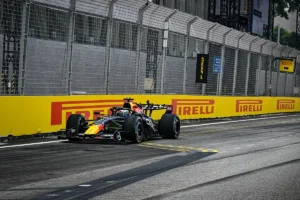
The row began at Zandvoort, where Franco Colapinto and Arvid Lindblad were both hit with drive-through penalties for overtaking under yellow flags following Max Verstappen‘s first-lap crash. Neither driver agreed with the call, and Argentine fans made their feelings known in considerably less measured terms. One executive at a Colapinto sponsor went as far as publicly questioning the integrity of the stewards, in a post that has since vanished from the internet, though not before the FIA noticed. The governing body responded by confirming it is exploring legal options over the abuse directed at race officials in the aftermath.
The British Are Apparently Furious Too
Asked at the FIA American Congress in Buenos Aires whether the FIA should recruit more South American stewards to avoid accusations of regional bias, Ben Sulayem did something unexpected. Rather than simply defend Zandvoort, he widened the complaint list.
“I will look into it, because I have also heard other people saying that they are against other people. I get the same thing. They think that the FIA is against the British, but we are not against them.” – Mohammed Ben Sulayem
Make of that what you like, but it is a curious way to reassure Argentine fans that the stewarding is fair: by pointing out that British fans think it is rigged against them too. If everyone believes the FIA is biased against their own driver, the more obvious explanation is that the stewarding itself is inconsistent enough to generate grievance in every direction, not that the FIA is secretly working against Britain, Argentina, and presumably several other countries simultaneously.
To his credit, Ben Sulayem did not dismiss the complaints outright. He confirmed the FIA has launched a training initiative and asked its member clubs to nominate candidates for a rotating pool of stewards.
“To us, it’s about all the drivers. But I do agree with you. We are now having training. We even called for a training course. So, we asked the ASNs to send us names that we can train because we are going to rotate the stewards.” – Mohammed Ben Sulayem
He also promised to personally call Colapinto to hear him out, which is a nice gesture, though it will not put the Argentine back on track a lap earlier or undo the drive-through that cost him time at Zandvoort.
The Abuse Problem Is Real, Even If the Stewarding Debate Isn’t Going Away
Where Ben Sulayem was on far firmer ground was condemning the online abuse aimed at stewards, journalists and officials, as reported by Motorsport.com. He referenced an incident from two years prior involving a Spanish steward who received death threats against herself and her family at the Miami Grand Prix, describing it as the moment he realised the sport risked becoming “beyond repair” if nothing changed.
“The abuse is happening to the drivers, to the journalists, to the officials, to many of us. Governments, federations, media, together. And now the momentum is going on. The teams are with it. This is a marathon. I cannot do it alone. The FIA cannot do it alone. It’s a combined effort.” – Mohammed Ben Sulayem
He also cited figures suggesting 70 percent of online abuse originates from North and South America combined, with around 18 percent from Europe and the remainder from elsewhere. Nobody sensible disputes that threatening a steward’s family over a drive-through penalty is grotesque, and the FIA is right to pursue whoever crossed that line. But conflating the legitimate anger of fans who think a call was wrong with the abuse of a small minority who went far beyond criticism lets the FIA dodge the actual question: was the penalty correct in the first place?
Rotating Stewards Won’t Fix a Consistency Problem
Training more stewards and rotating them around the calendar sounds sensible on paper. It does nothing, however, to address the deeper suspicion among fans that the interpretation of the rules changes depending on the incident, the driver, or the day. Yellow-flag overtaking calls have produced wildly different outcomes across seasons, and no amount of new recruits will fix that unless the FIA also commits to genuinely consistent application of its own regulations.
This episode arrives at an awkward time for the governing body’s image, coming not long after criticism from David Coulthard over the engine rule affecting Red Bull and separate scrutiny of the FIA’s handling of the Russia ban. Ben Sulayem clearly wants to project an FIA that listens and adapts. What he has actually demonstrated is an organisation that hears the same complaint, “you’re biased against us,” from opposite ends of the grid and the globe, and treats that as evidence of universal fairness rather than a warning sign that something in the stewarding process is broken.
Colapinto Still Waiting for His Phone Call
As for Colapinto himself, he now heads into the Italian Grand Prix this weekend having been promised a personal call from the FIA president rather than a reversed penalty. It is a diplomatic gesture, but diplomacy does not put points back on the board. With Alpine sitting sixth in the constructors’ standings and fighting for every point available, the Argentine will care rather more about consistent decisions on track than reassurances that the FIA hears everyone’s complaints equally.