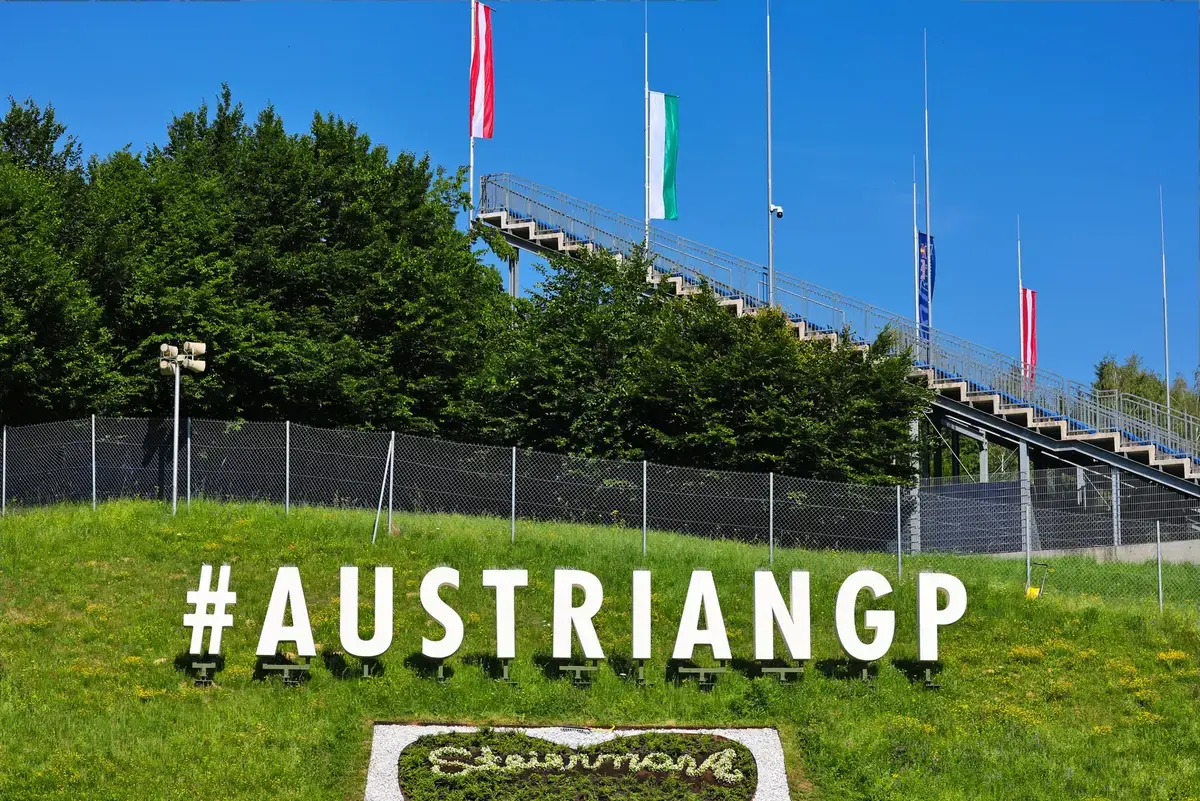

Europe is melting, and the Red Bull Ring is not exempt. The FIA has officially declared a heat hazard for the 2026 Austrian Grand Prix, with Sunday’s race potentially running in air temperatures close to 38°C and track temperatures well into the 50s. This is not a drill.
What the Declaration Actually Means
A heat hazard is triggered when the official weather service forecasts a heat index above 31°C at any point during a race weekend. FIA director Rui Marquez confirmed the declaration, citing Article B1.5.10 of the FIA F1 Regulations. In plain terms: the sport’s governing body has officially acknowledged that the conditions in Spielberg this weekend could be genuinely harmful to the people sitting in the cockpits.
Once declared, the rules kick in. All cars must be fitted with a liquid-cooled driver cooling system, and the minimum car weight rises by five kilograms to accommodate the hardware. The system pumps a liquid such as glycol through a tank of dry ice and into a vest worn under the driver’s fireproof top. It is not glamorous, but it works.
The Vest Is Optional, Which Is Exactly the Problem
Here is the wrinkle. Drivers are not actually required to wear the personal cooling vest. They can opt out, as long as their car runs 0.5kg of ballast in the cockpit to ensure no competitive advantage is gained by shedding the extra kit. Sensible on paper. In practice, it means some drivers will choose pride over physiology.
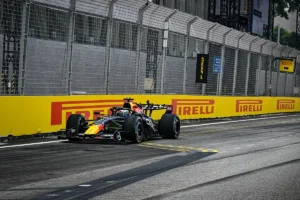
Max Verstappen is the most vocal critic of mandatory cooling gear.
“I just think it should be an option, that you can choose for yourself whether you want to wear it or not. It’s a bit ridiculous to be honest. In the end, it’s about your own safety and how you feel about it.” – Max Verstappen
Fair enough in principle. Less fair when you consider that the regulation exists precisely because drivers at the 2023 Qatar GP needed medical attention after refusing to admit the conditions were unbearable. George Russell, who wore the vest on his way to winning Singapore’s heat hazard race last season, is considerably more pragmatic about the whole thing.
Austria Is the Third Heat Hazard Race in F1 History
Singapore and Austin both received heat hazard status in 2025. Austria now joins that short but growing list. There is also a new rule tweak for 2026: the heat hazard declaration can now be split between a sprint and the main race if conditions differ enough to warrant it. A small but sensible refinement.
With Verstappen’s Red Bull future hinging on this weekend’s results and the technical intrigue already swirling in the paddock, the last thing anyone needed was a baking-hot oven of a race circuit. Yet here we are. Sunday’s forecast sits at up to 38°C, with a slim but real chance of late afternoon thunderstorms rolling in from the Alps. One way or another, Austria will provide drama. It usually does.