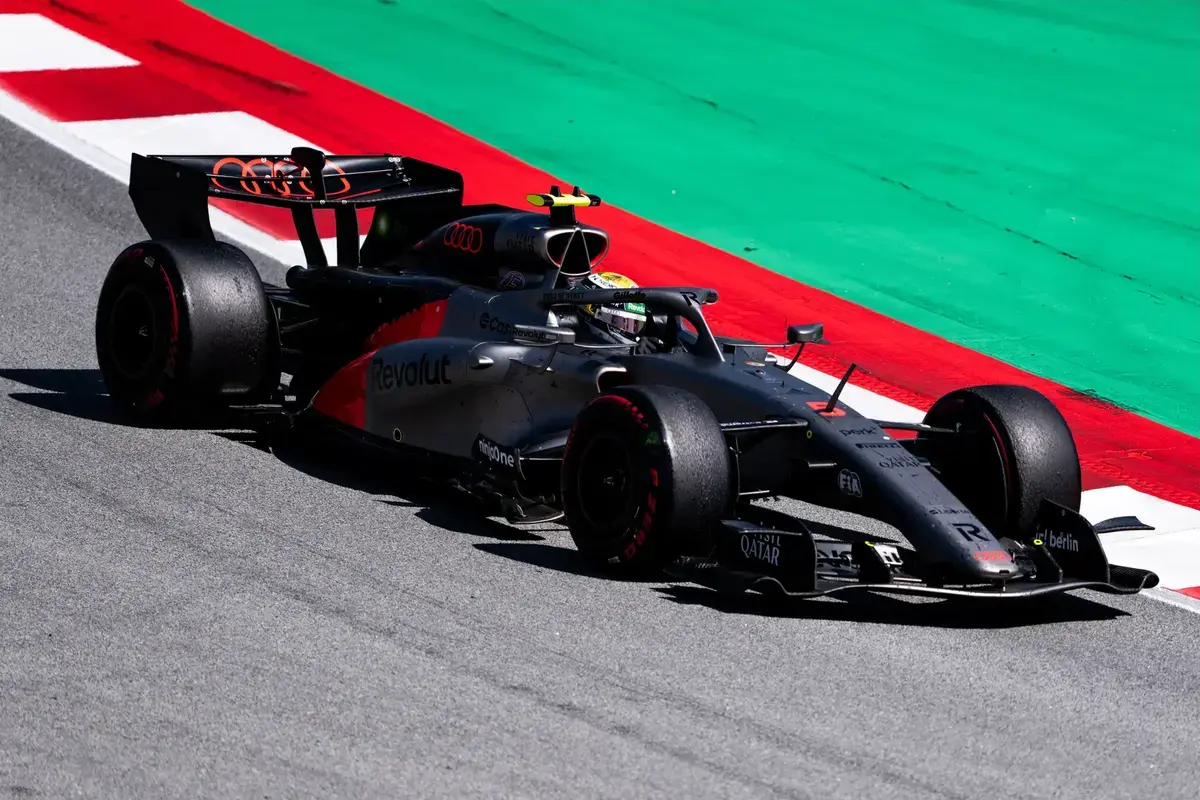

Audi quietly ran an upgraded power unit at the Barcelona Grand Prix, just one race after receiving ADUO approval from the FIA. Almost nobody in the paddock noticed. That is either impressive operational discipline or a fairly brutal comment on how little attention the Ingolstadt project currently attracts.
What ADUO Actually Means
The Additional Development and Upgrade Opportunities mechanism is F1’s structured way of letting engine suppliers who are behind on power close the gap. After the first review period, concluded post-Canada and communicated to manufacturers in Monaco, Audi were among the eligible parties. The FIA had designated Red Bull Powertrains as the internal combustion benchmark, a decision Red Bull promptly disputed, arguing no data actually placed them ahead of Mercedes. The results remained valid regardless, pending further review from the federation.
What genuinely caught people off guard was the pace of Audi’s response. Most assumed any ADUO beneficiary would spend weeks converting regulatory approval into trackside hardware. Audi did it in a single race weekend.
The Engines Were Already Built
The Friday FIA technical document at Barcelona duly noted both Audi cars were fitted with new internal combustion engines and turbochargers. It sailed past without comment. Given Audi’s well-documented power unit deficit, which was costing them over a second per lap, an upgrade was overdue rather than surprising. The detail that matters is the timeline.
The revised units had been sitting finished in Ingolstadt and Hinwil, waiting only for regulatory sign-off before being shipped directly to the Barcelona paddock. Gabriel Bortoleto and Nico Hülkenberg were not suddenly competitive. The tweaks are understood to be incremental, focused on driveability rather than headline power numbers. Nobody is rewriting the championship.
The First Step in a Long Climb
Audi have framed Barcelona as merely the opening move in a broader development programme running throughout the season. Given where they started 2026, they will need every iteration they can squeeze through the ADUO process. It is also worth noting that the broader F1 power unit framework is itself evolving towards a 60/40 split by 2028, which adds another layer of urgency to Audi’s catch-up effort.
Two points on the constructors’ board remains a deeply unimpressive total. But the infrastructure quietly assembling itself in Hinwil is a reminder that what you see on the timing screens is rarely the full picture. Audi are behind. They know it. And they are already working faster than anyone gave them credit for.