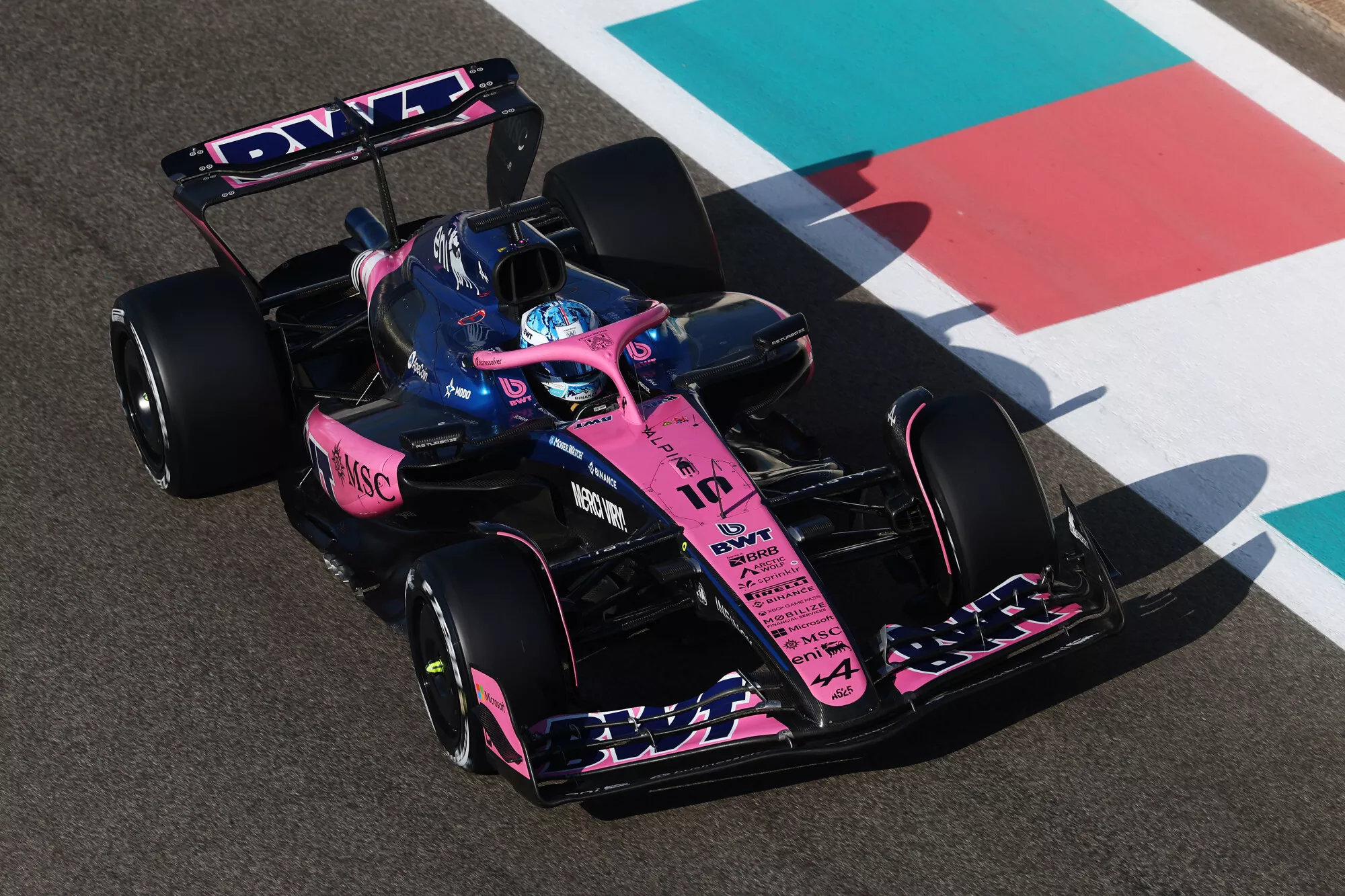

Alpine‘s got quite the sales pitch for 2026. Sure, they finished dead last in the constructors’ championship with a magnificent 22 points. Yes, they abandoned development early and watched rivals continue improving whilst they gave up entirely. But don’t worry. They learned valuable lessons from being comprehensively terrible that will definitely translate into success now they’ve got Mercedes engines. Because nothing says “we’ve turned the corner” quite like claiming your worst season ever was actually brilliant preparation, does it?
Pierre Gasly scored all 22 of those points himself. Franco Colapinto and Jack Doohan contributed precisely zero between them. That’s the kind of team performance that usually triggers existential crises, not corporate enthusiasm about operational improvements and communication breakthroughs. But Alpine’s convinced that finishing 10th out of 10 teams whilst racing with Renault engines taught them exactly what they needed to learn before switching to Mercedes power.
When Last Place Teaches You More Than Winning Ever Could
Gasly’s properly vulnerable about 2025. Admits it delivered his lowest-scoring F1 season despite what he considers strong personal performance. Fair assessment from someone who dragged that machinery into Q3 three times during the final four races whilst his teammates managed nothing remotely competitive.
But here’s where Alpine’s narrative gets interesting. The French squad insists their catastrophic season actually strengthened them operationally. Better communication. Deeper analysis. More thorough preparation. All the professional development you apparently achieve when your car’s so slow you’ve got nothing better to do than perfect your debriefing procedures.
“I’m the happiest I’ve ever been with the work we’re putting in with the team and all the preparation. The work with the guys, like getting the car in a good place with mappings, set-up – it’s obviously been three years with the team, so they’ve got a good understanding of what I want.” – Pierre Gasly
That’s genuine optimism from someone whose season delivered zero satisfaction. Gasly’s suggesting that whilst results were abysmal, the processes improved dramatically. When you lack outright performance, you apparently dig deeper into details that normally get ignored. Alpine explored operational limits more aggressively than before because they had no choice.
The Mercedes Gamble Nobody’s Questioning Hard Enough
Alpine’s banking everything on Mercedes power fixing their fundamental problems. The German manufacturer supplies four teams in 2026. McLaren won the championship with those engines. Mercedes themselves finished second. That’s encouraging evidence the hardware works.
Except customer teams don’t automatically inherit factory-level performance. Alpine’s abandoned their works Renault status after decades of engine manufacturing. Now they’re relying on someone else’s power units whilst hoping their improved operational excellence bridges the gap to competitiveness.
Racing director Dave Greenwood’s downplaying integration challenges. Reckons working with Mercedes people isn’t fundamentally different than collaborating with Renault engineers. Different faces, same objectives. That’s either reassuring pragmatism or concerning underestimation of the complexity involved.
The Brawn GP Dream That Won’t Happen Again
Alpine’s situation draws comparisons to Brawn GP’s 2009 miracle. That team finished ninth in 2008, abandoned development early, then dominated the following season under new regulations. Jenson Button became champion whilst Brawn won the constructors’ title before selling to Mercedes.
Alpine managing director Steve Nielsen reckons that trick won’t repeat. Everyone knows the strategy now. Multiple teams switched focus early to 2026 regulations. The advantage Brawn exploited through early commitment has disappeared because competitors learned the lesson.
“I think that when Brawn did that in 2009, it was relatively… not unknown, but it was unusual for people to do. Now we all know the trick. It’s all been made clear to us that… although we switched very early, others have done something similar – probably after us, but nevertheless early.” – Steve Nielsen
Fair assessment. Aston Martin‘s had Adrian Newey focusing solely on their 2026 car for months. Red Bull reportedly identified compression ratio loopholes early. Ferrari committed to radical engine philosophy changes. Everyone’s gambling on 2026 interpretations, which means Alpine’s early switch provides less advantage than Brawn enjoyed.
Gasly’s “I Just Want To Win” Declaration
Amidst all discussion about whether 2026 regulations will produce entertaining racing, Gasly’s made his position clear. He doesn’t care if the racing’s boring. He doesn’t care if fans complain. After eight seasons in F1, he just wants to fight at the front. Entertainment value is someone else’s problem.
“I don’t enjoy being in the position I was in last season, and I know I will enjoy being at the front of the field. Even if the racing wouldn’t be the most entertaining, we would still be the best of everyone driving these cars.” – Pierre Gasly
That’s refreshingly honest from someone who’s endured years of midfield mediocrity. The 177-race veteran with one career victory has reached the point where competitive satisfaction matters more than producing spectacle. Can’t really blame him after the season he’s just suffered through.
Colapinto shares similar optimism about Alpine’s 2026 prospects. The Argentine was “surprised” by how the team maintained motivation through their terrible season. Kept pushing for improvements despite finishing last. That persistence should pay dividends if the car becomes competitive, he reckons.
The Reality Check Nobody’s Delivering
Alpine’s improved processes and Mercedes engines might deliver progress in 2026. Moving up from 10th place isn’t exactly demanding when you’ve literally nowhere to go but forward. But championship contention? That requires more than operational excellence and borrowed power units.
Pre-season testing begins in Barcelona later this month. Three separate test sessions before Australia opens the season on March 8th. That’s substantial track time for everyone gambling on regulations nobody fully understands yet. Whether Alpine’s “lessons learned” from finishing last actually translate into competitiveness remains wildly optimistic speculation until proper racing begins.
Gasly’s extended his contract through 2028. That’s commitment from both sides. Alpine believes he’s their team leader. He believes their 2026 project can finally deliver the competitive machinery he deserves. One of them might be right. Or both could be spectacularly wrong, and we’ll be having this same conversation next January about how 2026 taught them even more valuable lessons for 2027.