
Mohammed Ben Sulayem has thrown his weight behind an Argentine return to Formula 1, which sounds lovely until you remember the calendar is already bursting at the seams and somebody, somewhere, would have to be shown the door.
The FIA president’s comments arrive nearly three decades after Argentina last hosted a round of the championship. Buenos Aires staged its final grand prix in 1998, and the country has spent the years since watching from the sidelines while F1 expanded into deserts, marinas and, at one point, a car park in Miami. Now, with Franco Colapinto flying the Argentine flag at Alpine and freshly confirmed on the 2027 grid alongside Pierre Gasly, the timing for a nostalgia play has never looked better.
What Ben Sulayem Actually Said
Speaking to Argentine broadcaster A24, Ben Sulayem did not hold back on the sentiment, even if the substance was thinner. He confirmed he would support moves to bring either a grand prix or a round of the World Rally Championship back to the country.
“I will support the initiative to have an F1 race or the World Rally Championship here in Argentina. We need to develop venues for sustainable races, where there is the willingness, the investments, the fans, and the government’s power to make it happen.” – Mohammed Ben Sulayem
He went further, framing Argentina’s case in terms of heritage rather than just enthusiasm, as reported by RacingNews365.
“Does Argentina deserve to be part of the F1 calendar? The answer is yes. They have history, they have a track record; the first race was held here in 1953.” – Mohammed Ben Sulayem
That history is not in question. The 1953 Argentine Grand Prix in Buenos Aires was the first world championship event held outside Europe, a genuinely significant footnote in the sport’s story. Nostalgia alone, though, has never bought anyone a slot on a modern F1 calendar. Just ask any of the classic European venues that have been quietly nudged aside in favour of destinations with deeper pockets and shinier hospitality suites.
The Queue Is Long, and Argentina Is Not First in Line
Here is the inconvenient bit nobody in Buenos Aires wants to dwell on: Argentina is not even the most advanced project chasing a place on the grid. Thailand has already gone further, with its cabinet approving a proposal for a street race in Bangkok reportedly targeting 2028. South Africa, Rwanda, South Korea and Turkey have all made noises about wanting in too.
F1’s calendar has been sitting at 24 races in recent seasons, a number that is already stretching driver fatigue, logistics and, frankly, fans’ patience for yet another triple-header. Adding a new venue without removing an existing one is not really an option anymore. Somebody currently on the calendar would have to make way, and good luck finding a promoter willing to volunteer for that.
Colapinto’s Shadow Looms Large
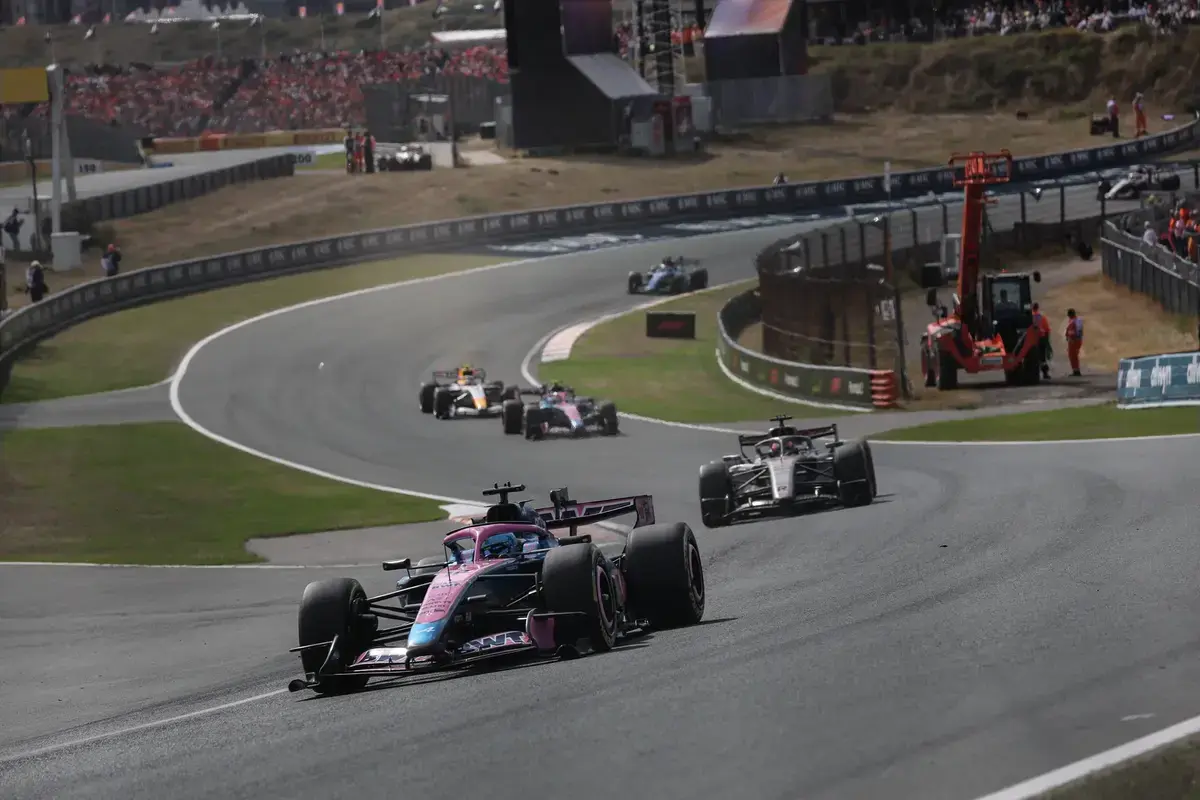
It is impossible to separate this renewed interest from Franco Colapinto‘s presence on the grid. The Argentine currently sits well down the standings on 19 points after 12 races, hardly title-contending form, but that has never been the point of a home race push. Drivers with genuine hometown pull have a habit of dragging entire calendars towards them eventually, and Colapinto’s continued presence at Alpine through 2027 gives Buenos Aires a live reason to keep lobbying rather than just waving old photographs of Fangio around.
Whether Colapinto’s on-track results ever justify the fanfare is a separate question entirely. He has not finished higher than tenth in the last three rounds, and Alpine’s season has been a struggle rather than a springboard. But races have returned to calendars for less compelling reasons than “we have a driver the crowd will actually turn up for.”
Warm Words Are Cheap, Business Plans Are Not
What Ben Sulayem’s comments really reveal is how little an FIA blessing actually guarantees. Sentiment from the governing body’s president is nice PR for Argentina and no doubt plays well domestically, but it does nothing to solve the actual mechanics of getting a grand prix built, funded and slotted into an already overstuffed schedule. Somewhere between the political hand-shaking and the actual signing of a Concorde Agreement addendum sits the real obstacle: money, infrastructure, and a government prepared to underwrite a event that history shows can just as easily bankrupt a host as enrich one.
Argentina’s economic situation has genuinely improved in recent times, which is presumably why this conversation is happening again now rather than five years ago. But improved is a relative term, and F1 promoters tend to want guarantees measured in the tens of millions, not vibes.
A Nice Story, Not Yet a Real One
Nobody sensible doubts that a grand prix in Buenos Aires would be a spectacle worth having back. The history is real, the passion is real, and Colapinto gives it a genuine sporting hook rather than just a marketing one. But an FIA president telling a local broadcaster that a country “deserves” a race is not the same as that race appearing on a calendar that is already fighting off Thailand, South Africa, Rwanda, South Korea and Turkey for the same handful of spots. Until Argentina turns up with a fully funded venue and a promoter ready to sign on the dotted line, this remains exactly what it sounds like: a nice thought, dressed up as momentum.