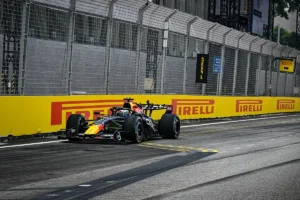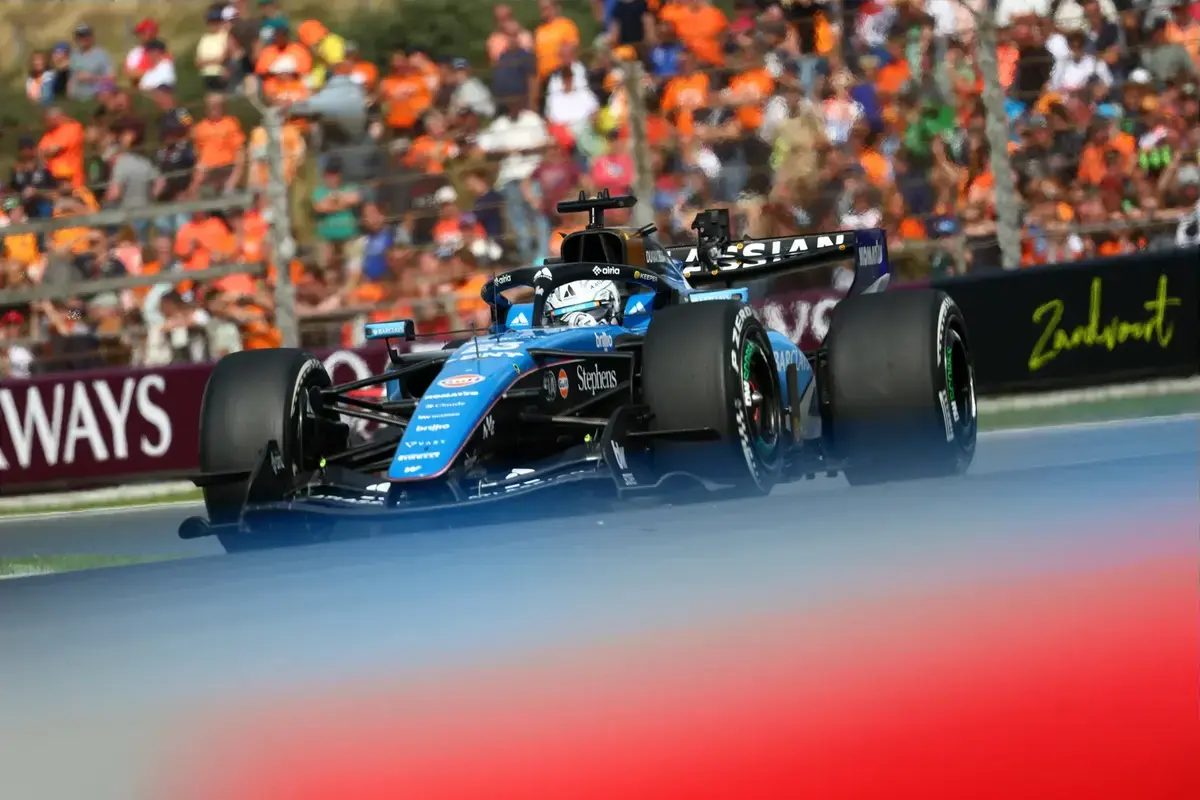

Alex Albon has just told Williams, politely but unmistakably, that he doesn’t trust the project yet. While team-mate Carlos Sainz signed a multi-year extension without blinking, Albon put pen to paper on a deal that runs out at the end of 2027. One year. That’s it. In a sport where teams fall over themselves to lock drivers down for half a decade, that’s not a footnote, it’s a statement.
Two Drivers, Two Very Different Bets
Williams confirmed earlier this month that both of its drivers would stay put beyond this season, the kind of announcement that usually gets filed under routine business. Except it wasn’t routine at all. Sainz committed for the long haul, the sort of deal that suggests genuine belief the Grove operation is heading somewhere. Albon did the opposite.
Asked why he chose the shorter route, Albon didn’t dress it up. “I want to see a reaction,” he told the media. “I want to see what the team can deliver. I want to see a strong comeback after this year.”
That’s not the language of a driver who thinks everything is fine. It’s the language of someone giving his employer twelve months to prove a point, and reserving the right to walk if they don’t.
A Season Worth Being Wary Of
Williams enjoyed a season of regular points finishes not so long ago. This year the car has slipped down the order, and Albon isn’t just blaming raw pace. “It’s not just about the speed of the car,” he said. “It’s about the quality of the parts, the weight… We even missed testing. There have been a number of things this year that we’ve let slip.”
That’s a fairly damning inventory for a driver to reel off about his own team, and it lines up with what has already been reported elsewhere this season. Sainz himself has pointed to the regulation overhaul as a factor in the competitive shake-up, but Albon’s complaint is more specific: components, weight, missed running. Those aren’t the sort of problems a driver fixes by braking later into a corner.
The Zandvoort weekend didn’t help the case either. Albon and Sainz collided with each other during the Dutch Grand Prix, an incident that ended Albon’s race and landed Sainz a 10-second penalty on his way to sixteenth. Sky Sports analyst Bernie Collins didn’t hold back on the Sky Sports F1 Show, calling the crash a disaster for a team that can least afford one.
“The first rule within a team is do not hit your team-mate. That is like the P1 rule. Particularly a team who are struggling to bring upgrades, struggling for money. Their car is overweight and underperforming.” – Bernie Collins
Collins also made the point that under a budget cap, crash damage doesn’t just cost money, it costs development time that can never be recovered. For a team already behind on parts and testing, that’s about the worst possible way to lose a Sunday afternoon.
A One-Year Deal Is Also a Threat
Albon isn’t inventing a new negotiating tactic here. Drivers have used short-term deals as leverage before, holding a team’s feet to the fire rather than handing over years of security with nothing guaranteed in return. What makes this one interesting is the contrast sitting in the garage right next to him. Sainz arrived at Williams viewing it as his best remaining shot at a competitive car after leaving Ferrari, and he’s backed that belief with a multi-year signature. Albon, who has now driven 59 races for the team since returning in 2022, has seen enough promises come and go to know better than to write a blank cheque of trust.
He’s 28. Young enough that if Williams stumbles again in 2027, he isn’t short on options elsewhere. That calculation matters. A one-year deal only works as leverage if the player holding it has somewhere else to go, and Albon plainly believes he does.
Vowles Now Has a Deadline
None of this reads as an attack on team principal James Vowles personally, and Albon was careful to say as much. “I know that JV and everyone in the team are working incredibly hard to solve these problems,” he said. But the diplomacy doesn’t soften the underlying message: results first, commitment later. “There’s still work to do,” Albon concluded, which might be the understatement of the Williams season.
What this amounts to is a one-year audition, not for Albon, but for Vowles and the entire operation behind him. If Williams sorts out its weight problems, its supply chain and its habit of missing test running, Albon extends and everyone moves on quietly. If it doesn’t, he’s out the door in 2027 with his reputation intact and Williams left explaining, again, why the promised turnaround never arrived. Sainz has bet on the long game. Albon has bet on Williams having to prove itself first, and given the year Grove has just had, that looks like the smarter wager.