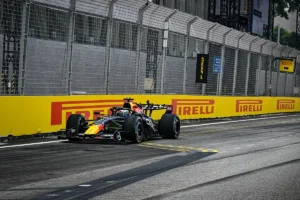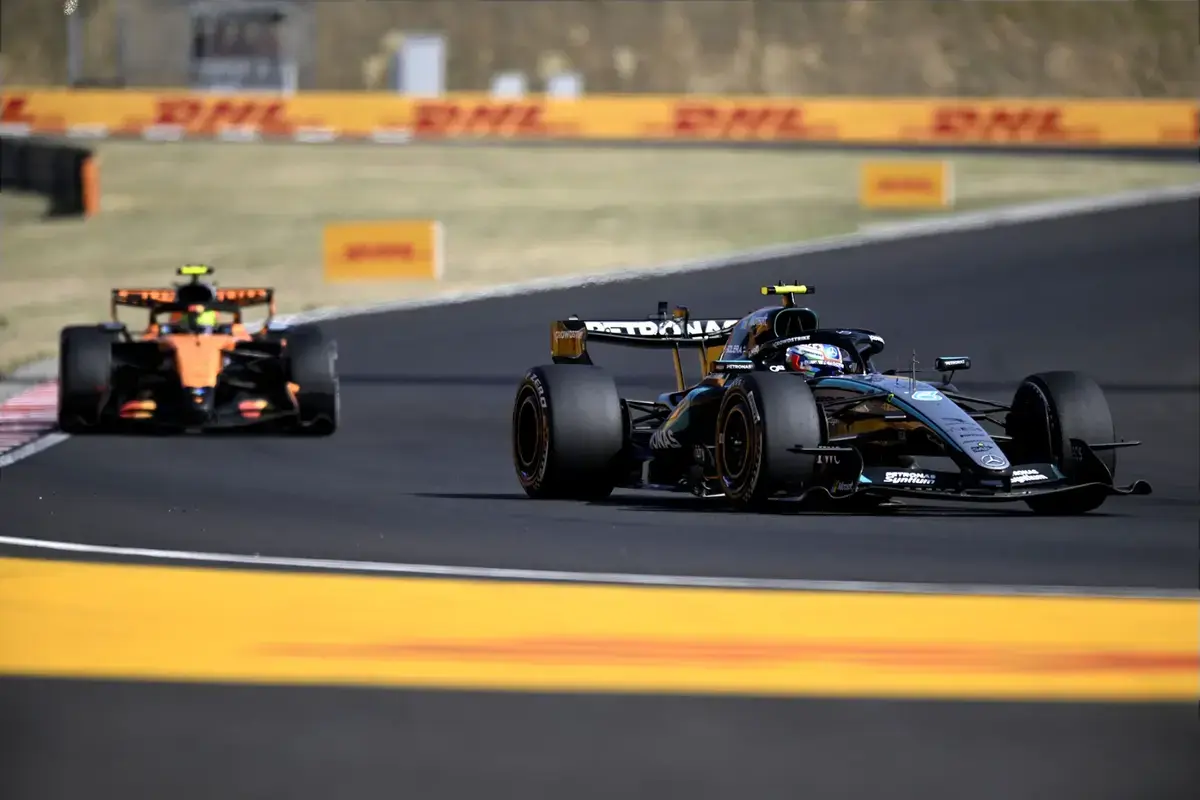

The FIA knew the 2026 power unit regulations were going to cause problems before a single car turned a wheel in anger. They tried to fix it. They failed. And according to single-seater director Nikolas Tombazis, the manufacturers are the ones who blocked them.
Saw It Coming, Could Not Stop It
By 2022, the FIA’s own simulations were already flagging the energy management issues that would later drive drivers to compare the new formula to “Formula E on steroids.” Max Verstappen made that particular observation publicly at the 2023 Austrian Grand Prix. Tombazis confirms the FIA was already worried a full year before that.
“As simulations came in back in 2022 or so, we knew there were these issues, but we were a bit too far down the line there to change things and some people had committed too much resource.” – Nikolas Tombazis
Too far down the line. In 2022. Four years before the regulations came into force. That is quite a timeline to sit on a known problem.
The Governance Wall
Tombazis is pointing firmly at the Power Unit Advisory Committee framework, signed in 2022, which bound the FIA, FOM, and all power unit manufacturers to a shared governance structure. The logic was reasonable enough: new entrants like Audi needed protection against established manufacturers outspending them, while established makers needed certainty. Fair enough in principle.
The catch: any significant rule change required agreement from at least four of the five manufacturers. And for the years when changes were being discussed, four of them said no. The FIA could not override them unilaterally. So the problems stayed on the shelf, documented and unresolved.
“Quite simply, four of them did not agree during the years when we discussed some adjustments.” – Nikolas Tombazis
As Audi’s own budget constraints continue to shape their 2026 programme, the irony of manufacturers blocking rule changes that were partly designed to protect them is not lost.
Drivers Were Not Wrong, Just Inconvenient
Carlos Sainz asked publicly who saw the 2022 simulations and still signed off. Lewis Hamilton noted, archly, that whoever made the call still has their job. Tombazis does not dispute the frustration. He simply says the drivers were telling the FIA what the FIA already knew and could not change.
The 60-40 power split roadmap for 2027 and 2028 is now agreed. Tombazis calls it a shame it took until May 2026 to get there. That is one word for it.
Small Comfort
Tombazis does make one fair point: despite Mercedes dominating the win column, the racing itself has been competitive. The title fight remains genuinely open, which is more than could be said for the early Red Bull era. The regulations are flawed. The races have not been processional. Both things are true.
Whether that counts as a success depends entirely on how much you think a governing body should get credit for accidentally producing good racing despite a regulation framework it admits was broken from the start.