
The FIA has made it official: Formula 1’s deeply unpopular 50/50 power split is being binned, phased out over two seasons after months of grumbling from drivers, teams, and anyone who actually enjoys watching qualifying. The World Motor Sport Council rubber-stamped the changes at its meeting in Macau on 23 June 2026, and not a moment too soon.
What Is Actually Changing
The current 50/50 split between the internal combustion engine and the electrical element (which already crept to 53/47 in practice) will shift to 58/42 in 2027 and reach 60/40 by 2028. The ICE output climbs from 400kW now to 420kW next year, then to 450kW in 2028, with fuel flow rates rising by 5% and 13% respectively. The MGU-K maximum power drops from 350kW to 300kW, though overtake mode stays at 350kW and maximum harvesting increases to 400kW. Teams also get more flexibility in energy management throughout a race weekend.
In plain language: cars will be less reliant on lift-and-coast, less prone to the infuriating superclipping and derating that has plagued 2026, and theoretically more fun to drive flat-out in qualifying. That last point alone should justify the whole exercise.
The Verstappen Factor
Max Verstappen has been the loudest critic of the 2026 power unit formula, and his barely-veiled threats to walk away from the sport were reportedly taken very seriously indeed. The changes he demanded are now locked in, albeit on a timetable he was not entirely thrilled about.
“I understand that there is sometimes politics involved. The changes they are making are at least going in the right direction, so that is a good thing.” – Max Verstappen
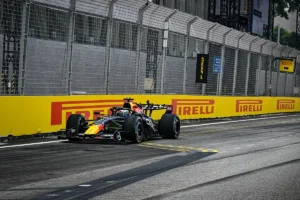
Diplomatic, but the subtext is clear. He wanted 60/40 in one go. He got a two-year drip feed instead. As Red Bull’s massive Austrian GP upgrade package shows, the team is doing everything it can to keep him happy in the meantime.
Other Changes Worth Noting
Pre-season testing expands from three to four days from 2027, a small but welcome concession to the complexity of modern machinery. A Heat Hazard declaration can now apply separately to a Sprint or a Grand Prix rather than the whole weekend. Boost mode returns in wet or low-grip conditions, strictly for safety purposes rather than extra performance.
The Bigger Picture
FIA President Mohammed Ben Sulayem made the expected noises about collaboration, dialogue, and sustainability. He also dropped a pointed reference to V8 engines running on sustainable fuels as a future concept under discussion. Whether that is genuine vision or political positioning ahead of his re-election campaign is a question worth keeping in mind.
The 2026 regulations were sold as a revolution. The sport is now quietly unpicking parts of them before the season is even half done. That is not a great advertisement for the regulatory process, but at least someone is listening. Slowly.