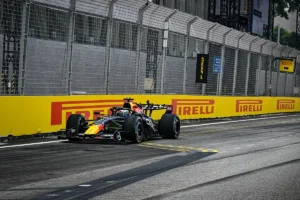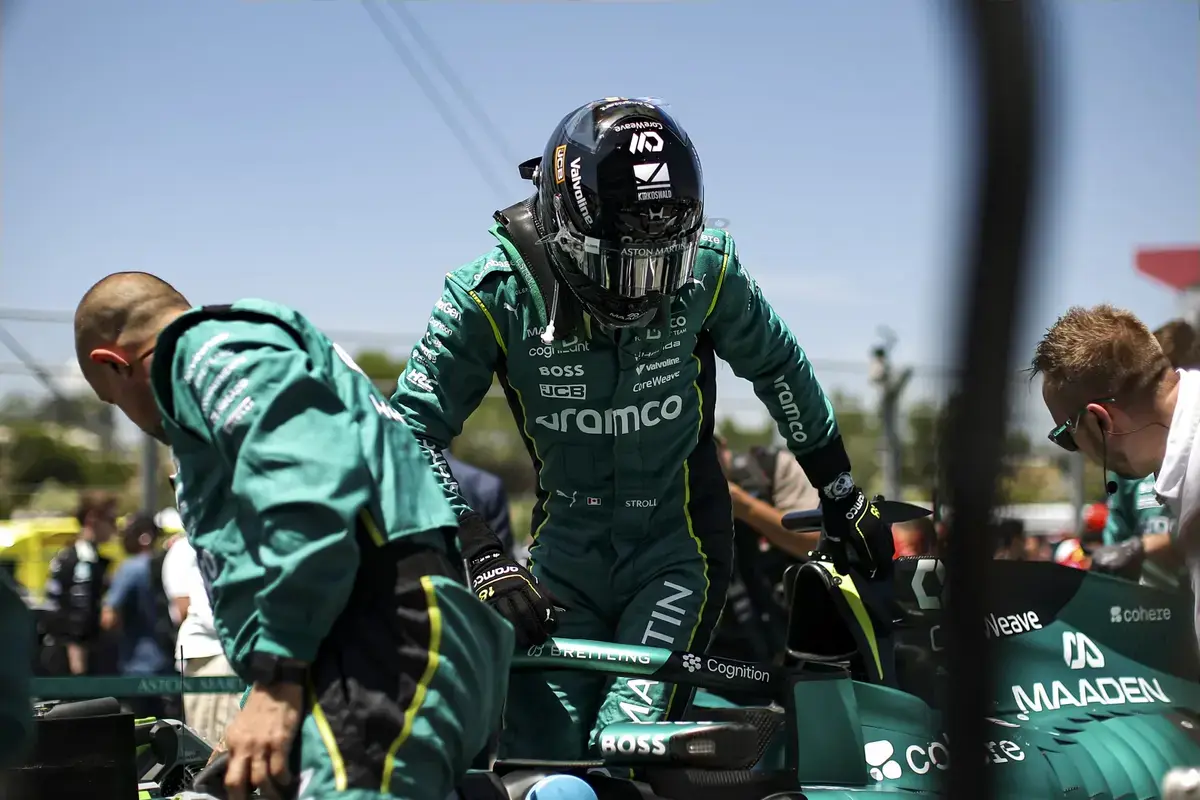

Honda helped make Max Verstappen to four world championships. Then they walked away. Then they came back. And somehow, the manufacturer behind one of the most dominant engines in recent Formula 1 history now finds itself fielding what is widely regarded as the weakest and least reliable power unit on the grid. Koji Watanabe has some explaining to do.
Everything New, Everything Wrong
Honda Racing Corporation’s president has been admirably candid about the scale of the problem. Facing a completely different challenge to the Red Bull era, Watanabe describes a perfect storm of unfamiliar variables hitting all at once.
“It is important to recognise that the current situation is fundamentally different from the time we worked together with Red Bull. The regulation is quite difficult, it is a new partnership with Aston Martin, the fuel is Aramco, a new partner, and the lubricant is Valvoline, also new. So everything is new for us and it’s not easy.” – Koji Watanabe
Fair enough as a list of context. Considerably less reassuring when you note that every manufacturer on the grid faced the same new regulations, and most of them are not propping up the bottom of the power unit rankings.
The 18-Month Gap That Keeps Coming Back to Bite Them
Here is the real root of the crisis. Honda withdrew from Formula 1 at the end of 2021, leaving Red Bull with a technical support arrangement while the Japanese firm spent eighteen months deciding what it actually wanted to do. By the time they committed to returning with Aston Martin for 2026, they had already lost a significant chunk of development time they could never recover.
“The recovery from the delay caused by our previous withdrawal has taken time. The late start of development, as well as the time required to rebuild necessary capacities and capabilities and bring back the required talent have been a significant factor.” – Koji Watanabe
Translation: Honda knew they were behind before a single lap had been turned. Fernando Alonso is sitting on one solitary championship point as the direct consequence of that indecision.
A Summer Update and a Very Long View
A performance upgrade is planned for the summer, though Watanabe is careful not to oversell it. It will not, he cautions, “drastically change the situation overnight.” The long-term perspective remains the strategy, with reliability issues at least reportedly coming under better control so engineers can shift focus to actual performance gains.
It is a strikingly familiar script to Honda’s bruising return with McLaren in 2015. That partnership fell apart before Honda eventually found their rhythm with Red Bull and built something genuinely exceptional. And it is worth noting that Audi are suffering equally badly with their own new power unit, so Honda are not entirely alone in their misery at the back of the field.
The question that matters now is a simple one: does Lawrence Stroll have the patience to wait for Honda to rediscover their form? Because if the McLaren experience is any guide, the tunnel is long, and the light at the end of it is a very long way away.