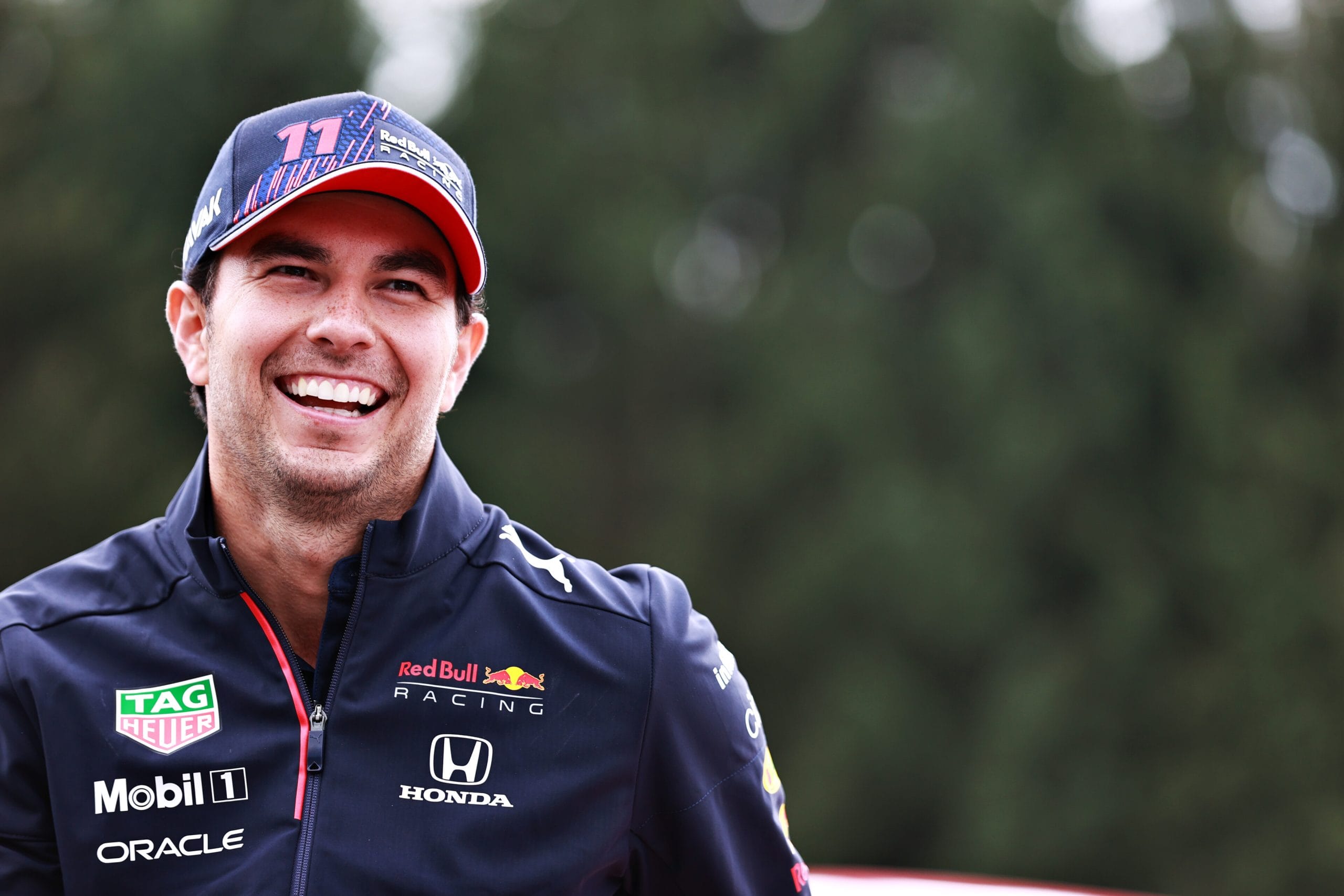
Alberto Longo wanted Sergio Pérez. He wanted him badly. The Formula E co-founder practically rolled out the welcome mat, describing Checo as the “perfect fit” for the all-electric circus. His pitch? Formula E values drivers who can manage energy, read complex races, and stay calm under pressure.
Pérez’s response? Thanks, but I’ll take my chances with a brand-new F1 team that doesn’t exist yet.
Nothing stings quite like getting rejected for a startup, does it?
Formula E’s Desperate Pitch Nobody Asked For
Longo’s comments to AS Mexico read like a rejected Tinder profile. “I’ve always wanted him,” he admitted, sounding wistfully nostalgic about a relationship that never happened. “If Checo spends a year in our category, he comes home. He’s a professional, and his father has always supported us.”
Right. So Pérez’s father likes Formula E. Compelling argument there, Alberto.
The Formula E boss tried every angle. Technical understanding? Check. Racecraft? Absolutely. Global appeal? Mexico loves him. Energy management skills? Perfect for our battery-powered show.
“Checo would fit Formula E perfectly. He has the experience, the racecraft and the intelligence to adapt quickly.” – Alberto Longo
Translation: Please, Checo. We need star power and you’re available.
Why Pérez Said No To The Electric Dream
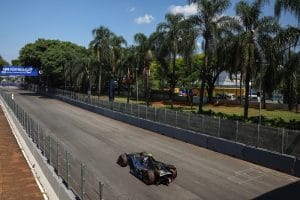
Let’s be brutally honest. Pérez had options. He could’ve taken the sensible route, joined Formula E, collected podiums, and extended his racing career comfortably. The Mexican fanbase would’ve followed him. The Autódromo Hermanos Rodríguez already hosts Formula E races with 40,000 to 50,000 passionate fans filling the stands.
Instead, he chose Cadillac. A team that won’t exist until 2026. A project starting from absolute zero. An American manufacturer with precisely zero F1 experience in the modern era.
Why? Because racing in F1’s championship battle beats managing battery percentages on street circuits, no matter how competitive the field.
Pérez has spent 14 seasons in Formula 1. He’s tasted victory. He’s finished second in the championship alongside Max Verstappen. He’s experienced the pressure, the glory, and the crushing disappointment of being dropped mid-contract negotiations.
Formula E couldn’t offer him redemption. Cadillac can.
The Cadillac Gamble Makes Perfect Sense
Cadillac arrives in 2026 with Valtteri Bottas and Sergio Pérez. Two experienced drivers. Two men who’ve been through the F1 grinder and emerged still standing. It’s a sensible pairing for a team that needs knowledge, not youthful chaos.
Will they be competitive immediately? Probably not. New teams historically struggle. But Pérez gets to build something, shape a programme, and potentially become a cornerstone of an American F1 operation.
That beats being Formula E’s marquee signing.
Longo’s Backhanded Compliment To F1
Longo threw shade whilst pretending not to. “In Formula 1, a driver is strongly dependent on the car. In Formula E, that’s less the case,” he claimed.
Sure, Alberto. That’s why Pascal Wehrlein got a grid penalty for wheelspin and why Jake Dennis won by saving Attack Mode during safety car chaos. Formula E: where driver skill definitely matters more than timing, luck, and energy management gimmicks.
He also admitted respecting Pérez’s decision. “He still has a lot to offer in F1. Joining a new project like Cadillac is exciting and challenging. I understand that completely.”
“We are not in competition in that way. Drivers must choose what fits their ambitions and timing.” – Alberto Longo
Translation: We tried. He said no. We’re pretending we’re fine with it.
Formula E’s Mexican Problem
Longo’s pitch centred heavily on Mexico. The country is one of Formula E’s strongest markets. The fanbase is passionate. The Autódromo Hermanos Rodríguez delivers record crowds. Pérez is a national icon.
All true. But here’s the uncomfortable reality: Mexico also hosts a Formula 1 Grand Prix. And when forced to choose between watching Pérez in F1 or Formula E, Mexican fans will pick F1 every single time.
Formula E’s sustainability message resonates globally, Longo insists. Perhaps. But it doesn’t resonate strongly enough to pull top-tier talent away from F1 unless their career is genuinely over.
Pérez isn’t finished. He’s 35, experienced, and still capable of scoring podiums in competitive machinery. Why would he settle for the all-electric support series when F1 still wants him?
The Door Remains Open (Apparently)
Longo made sure to leave the door ajar. “If one day he wants a new challenge, Formula E would be there,” he said, sounding like someone leaving their ex’s number unblocked just in case.
Will Pérez eventually join Formula E? Maybe. If the Cadillac project implodes spectacularly, he might need an exit strategy. But right now, Formula E is Plan Z, not Plan B.
Longo’s comments reveal Formula E’s ongoing identity crisis. Is it a legitimate alternative to F1, or a retirement home for drivers past their prime? The answer depends entirely on who you ask and which narrative serves the championship best that week.
Why This Rejection Actually Matters
Pérez choosing a non-existent F1 team over Formula E says everything about the all-electric series’ current standing. Despite tighter competition, innovative racing formats, and genuine environmental credentials, Formula E still can’t compete with F1’s prestige.
Even when F1 offers uncertainty, risk, and potential embarrassment with a startup team, drivers still choose it. Every single time.
Longo can talk about Pérez fitting Formula E perfectly. He can highlight Mexico’s passionate fanbase. He can emphasise sustainability and competitive racing. None of it matters if drivers view Formula E as a step down rather than a legitimate alternative.
Until that perception changes, Formula E will keep getting left on read by drivers it desperately wants.