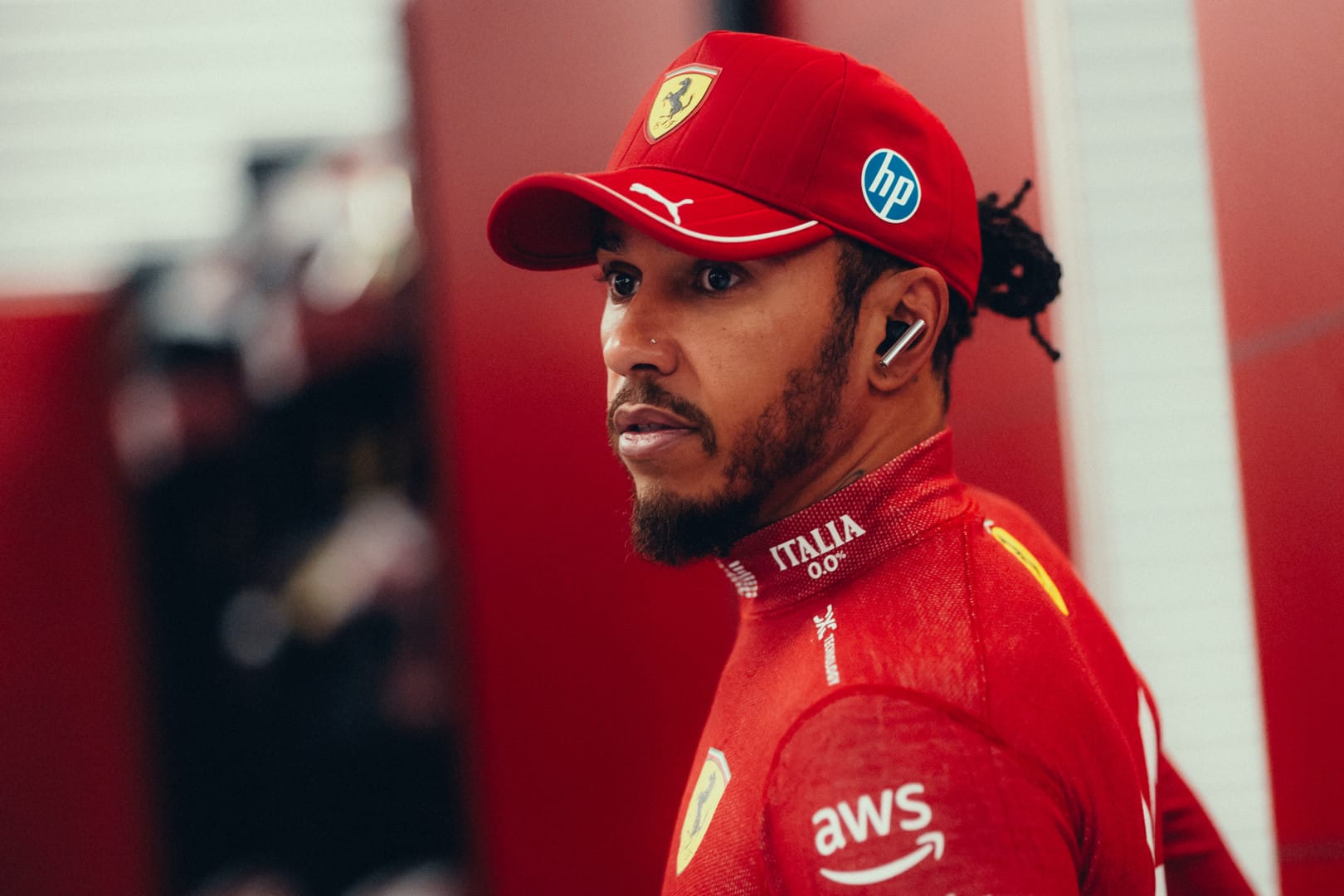
Three consecutive Q1 eliminations. Sleepless nights until 6am. Desperate pleas about serving engineers better. This isn’t the Lewis Hamilton who arrived at Maranello with all the fanfare of a returning messiah. This is a driver watching his legacy crumble in real time whilst Ferrari insiders whisper the unthinkable: was signing him a catastrophic mistake?
When Your Boss Tells You to Shut Up
Let’s address the elephant wearing a Prancing Horse badge. Ferrari president John Elkann publicly slapped down both his drivers after Brazil’s double DNF disaster, declaring they need to “focus more and talk less.” Imagine being a seven-time world champion and getting told off like a naughty schoolboy by someone who wouldn’t know an apex from an appendix.
Since that very public dressing-down, Hamilton has failed to escape Q1 in Las Vegas and both qualifying sessions in Qatar. Charles Leclerc? He’s scraped into Q3 every time, albeit looking thoroughly miserable whilst doing it. The gap between Ferrari’s two drivers isn’t just widening. It’s becoming a chasm that legitimate questions are now being raised about how long Maranello can persist with this arrangement.
The Data Doesn’t Lie, But Hamilton Might Wish It Did
Let’s get technical for a moment. Hamilton’s fastest Q1 lap in Qatar matched Leclerc through the opening corners. Normal service. Then came the fast stuff between Turns 12 and 15, where Leclerc simply drove away. Hamilton even tapped the brake at the apex of Turn 14. Oscar Piastri was flat-out through there. The difference? Confidence. Or rather, Hamilton’s complete lack thereof.
Former Williams strategist and current team boss James Vowles called Hamilton’s double Q1 elimination “odd” because generally he’s been on the pace. Except he hasn’t been, has he? Not where it matters. Not on Saturdays. Not against his teammate.
“The car felt good. It just didn’t reflect that in the times.” – Lewis Hamilton
That’s the worrying bit. When you think the car feels brilliant but you’re still three-tenths down on P15, the problem isn’t the car anymore. It’s you.
Ferrari’s Development Disaster Comes Home to Roost
Team principal Fred Vasseur admitted this week he abandoned aero development of the SF-25 back in April. April! That’s seven months of racing a car Ferrari stopped improving because they’d already written off the championship. Vasseur confessed he underestimated the psychological toll of that “tough call.”
No kidding, Fred. Your drivers are now publicly contemplating retirement whilst Ferrari sits fourth in the constructors’ championship, watching McLaren and Red Bull battle for glory you surrendered before summer break.
The graph showing average lap times across the Qatar weekend tells the brutal truth. Ferrari’s improvement from sprint qualifying to main qualifying was among the smallest on the grid. Only Williams and Aston Martin matched their complete failure to evolve. What a triumvirate of mediocrity.
When Even Alpine Feels Sorry For You
Pierre Gasly watched Hamilton during the Qatar sprint and felt compelled to offer condolences. Let that sink in. A driver wrestling Alpine’s disaster on wheels looked at Ferrari and thought “blimey, that looks rough.” When Alpine pities you, you’ve officially hit rock bottom.
“Pierre came up to me afterwards and he said, ‘It looks so bad’.” – Lewis Hamilton
Hamilton’s response? “No shit, Sherlock!” Even his sense of humour is dying.
The Rhetoric Shift Nobody Expected
Gone are Hamilton’s confident proclamations about his master plan to resurrect Ferrari. Gone are the detailed reports about organisational structural issues and specific car problems. The “Hamilton files” documenting everything wrong with the Scuderia have apparently been shelved.
Now we get desperate late-night brainstorming sessions and pleas about serving engineers better. Hamilton has transformed from critical consultant to apologetic shop steward faster than you can say “Elkann intervention.”
“Last night I was up till 6am, I couldn’t sleep and I’m just thinking what can I do more to improve.” – Lewis Hamilton
This is a man scrambling to justify his existence. A far cry from the driver who won 105 grands prix and rewrote Formula One history books.
The Ferrari Insiders Nobody Wants to Discuss
Former Ferrari driver Arturo Merzario dropped a delicious bombshell earlier this year: “90% of Ferrari insiders didn’t want Hamilton.” They viewed his signing as a commercial operation rather than a racing one. Given Hamilton’s performance deficit to Leclerc, those engineers are probably feeling rather vindicated.
Reports from Motorsport Italia suggest “legitimate questions” about Hamilton’s future at Ferrari are circulating internally. There’s “concern in the Ferrari garage” about the performance gap. If it continues into 2026, how long can they persist with a 40-year-old driver earning obscene money whilst getting demolished by his younger teammate?
That Personal 15-Year Record Nobody Wanted
Hamilton’s P18 in Qatar qualifying marked two results of 16th or worse since 2009. The previous record holder? Also Hamilton, back in 2010 when he qualified 19th, 16th and 18th across three races. At least he’s consistently mediocre when things go wrong.
For the driver with the most pole positions in Formula One history to be setting unwanted qualifying records is almost poetic. Almost.
The 2026 Question Nobody’s Asking Yet
Hamilton has a contract for 2026 but reportedly controls an option for 2027. That’s leverage, right? Except what if Ferrari quietly suggests he shouldn’t exercise that option? What if Elkann’s public admonishment was backed by a private conversation about expectations and consequences?
Hamilton’s latest rhetoric reads like a plea for support rather than confidence in controlling his destiny. The shop steward routine, the sympathy for engineers, the taking of full responsibility whilst Leclerc consistently delivers better results. It all smells like damage control.
“The pain I feel for all those in the garage but also everyone back at the factory who deserve good results. I won’t give up, we’ll keep pushing.” – Lewis Hamilton
That’s not the voice of a driver in command. That’s someone desperately trying to keep their seat.
When Retirement Stops Being a Question
Juan Pablo Montoya insists Hamilton won’t quit because he’s “not happy where he is, but he doesn’t want to quit at this point, being on a down.” Noble sentiment. Except what if the decision gets taken out of his hands?
Hamilton has been questioned all year about potential retirement or sacking. His response has always been long-term commitment. Yet his performance suggests otherwise. Three consecutive Q1 eliminations. A teammate consistently delivering better results. A boss publicly telling him to talk less. Insiders reportedly questioning how much longer this can continue.
The 2026 regulation changes offer hope for everyone. New cars, new engines, a fresh start. Except Hamilton’s confidence is shattered. When you’re tapping brakes where others are flat-out and claiming the car feels good despite being nowhere, the problem runs deeper than aerodynamics.
The Uncomfortable Truth
Ferrari’s decision to stop developing the SF-25 in April was brutal but understandable. What’s less forgivable is signing a 40-year-old driver to enormous wages only to discover he can’t extract performance from difficult machinery anymore. Hamilton arrived at Maranello as the solution. He’s rapidly becoming another problem.
Charles Leclerc is 27 years old and consistently faster despite driving the same underwhelming car. Ferrari’s Qatar qualifying disaster highlighted the growing gap between their drivers in brutal fashion. When legitimate questions about your future emerge after less than one season, something has gone catastrophically wrong.
Perhaps those Ferrari engineers who never wanted Hamilton in the first place were onto something. Perhaps Elkann’s commercial operation has backfired spectacularly. Perhaps the greatest signing in recent Ferrari history was actually three years too late.
Hamilton will line up alongside Leclerc in 2026. Nobody switches drivers during massive regulation changes. But 2027? That option he supposedly controls? Don’t be surprised if conversations are happening behind closed doors about whether exercising it benefits anyone involved.
When a seven-time world champion is staying awake until 6am writing proposals about how to serve his engineers better, you’re not watching a driver in control. You’re watching someone desperately clinging to relevance whilst the sport moves on without them.