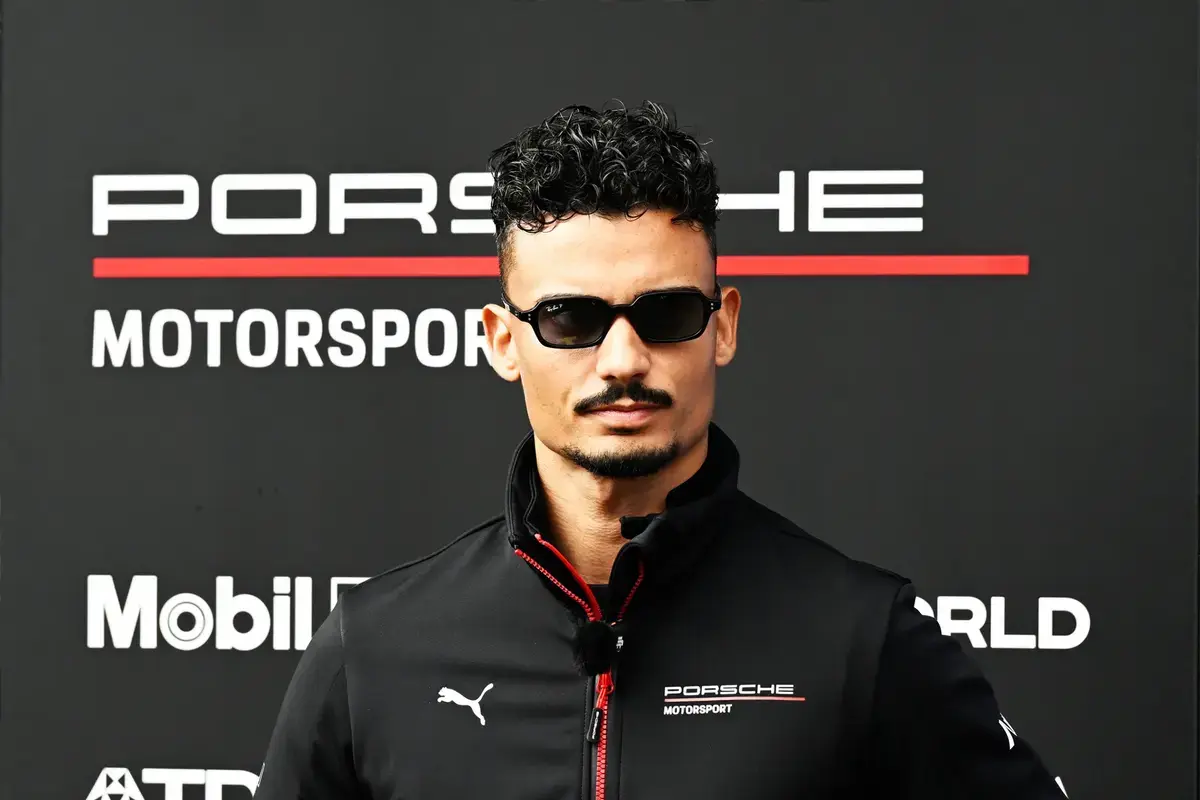

Pascal Wehrlein is a two-time Formula E world champion. He crossed the line at London’s ExCeL Centre in 14th place, picked up a five-second penalty, and still walked away with the title. That, in a nutshell, is how brilliantly deranged this sport can be.
Carnage at the ExCeL
Sunday’s season finale was less a motorsport contest and more a controlled demolition. Wehrlein entered with a five-point lead over Jake Dennis, and spent most of the race looking comfortable in the top five. Then Antonio Felix da Costa decided to turn into a human roadblock, deliberately holding Wehrlein up long enough to let Mitch Evans sweep past both of them in one clinical move.
Suddenly Dennis, who had qualified a wretched 16th, was charging through the pack and briefly led the championship on live timing. The tension was extraordinary.
It all came to a head on lap 32. Wehrlein threw his Porsche around the outside, tagged Joel Eriksson, spun him into Dennis, and both title contenders fell well outside the points. Wehrlein received a five-second penalty. Dennis pitted for a new nose. Neither scored a point.
“Sore loser. F***ing beat him three years in a row.” – Pascal Wehrlein, on-board radio, directed at da Costa
With Evans stranded fourth and unable to close the gap to the leaders, Wehrlein’s pre-existing buffer held. He becomes only the second driver in Formula E history to win the title twice, joining Jean-Eric Vergne.
Barnard Steals the Spotlight
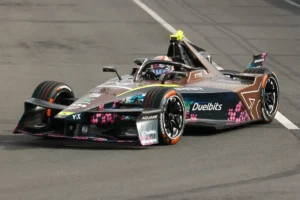
While the title contenders were busy destroying each other, Taylor Barnard was quietly executing a masterclass in energy management. The young Briton seized the lead late and held off Nyck de Vries to win for DS Penske, giving the French manufacturer a perfect send-off in their final Formula E race. De Vries took second, Edoardo Mortara third. Jaguar claimed the teams’ championship despite the drama.
The F1 Ghost That Won’t Quit
Wehrlein’s Formula E glory carries a bittersweet footnote. His F1 career ended not because he lacked pace, but because Force India preferred Esteban Ocon’s personality in the garage when choosing between Mercedes juniors for 2017. A year at Sauber followed, before Charles Leclerc arrived and Wehrlein was quietly moved aside. As political dynamics have ended many careers in F1, so they ended his.
He was good enough to be in Formula 1. He just was not considered irreplaceable. The sport’s loss, ultimately, has been Formula E’s extraordinary gain.