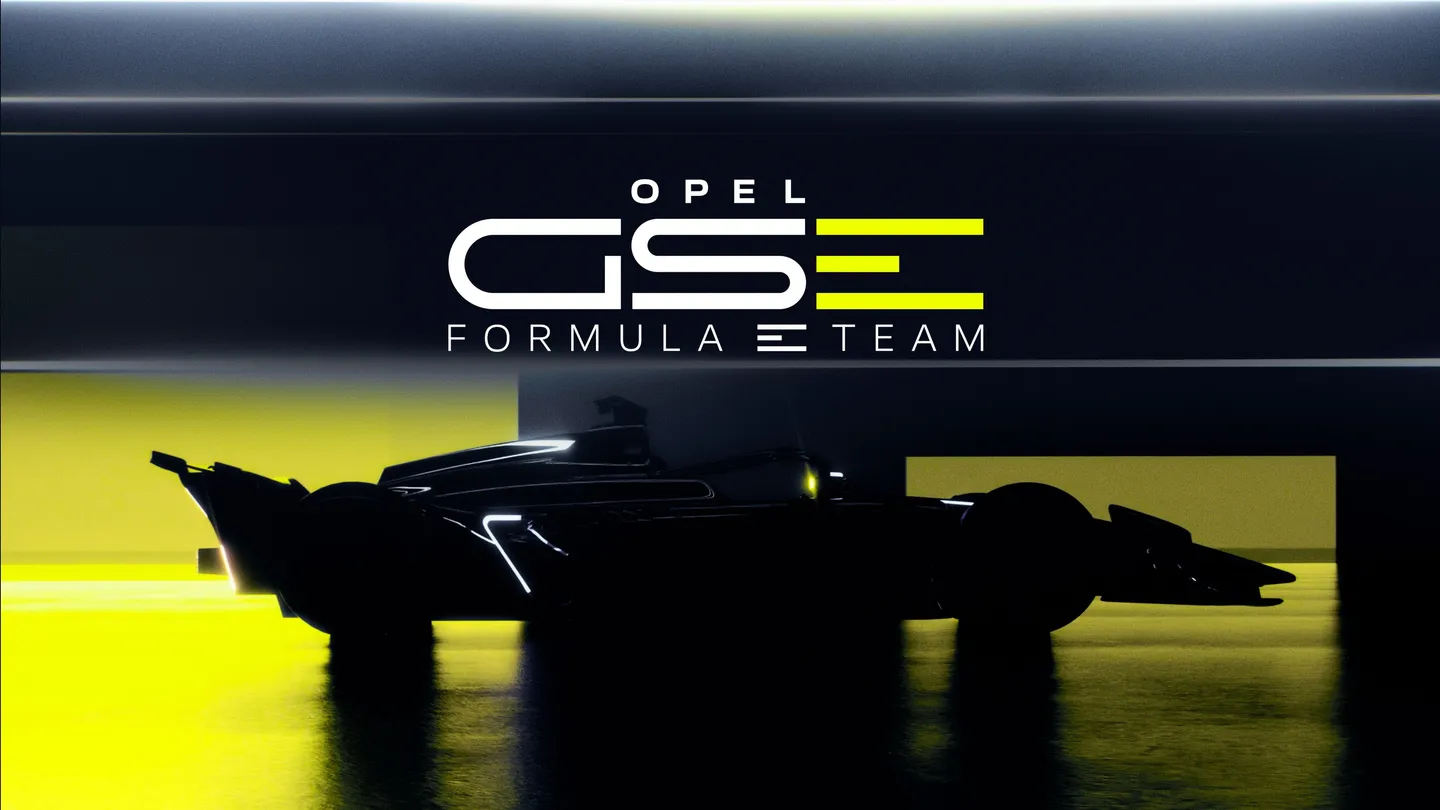

Stellantis has played its latest game of brand roulette, and this time Opel wins whilst DS gets shown the door. After a decade in Formula E, the French luxury brand is out. In comes the German manufacturer with grand plans, factory backing, and an entry licence traced back to the defunct Techeetah operation. Nothing screams “electric revolution” quite like recycling old licences, does it?
DS exits at the end of this season. Opel arrives for Gen4. The grid expands to 24 cars. And somewhere in the middle, Penske is left wondering whether to build its own powertrain or become a Mahindra customer. Welcome to Stellantis motorsport strategy, where brand identity changes faster than tyre compounds.
DS’s Decorated Departure After A Decade
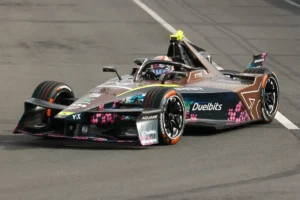
DS joined Formula E back in 2015, partnering with Virgin Racing before moving to Techeetah and eventually Penske. Four championship titles. Eighteen victories. Fifty-five podiums. Jean-Eric Vergne and António Félix da Costa delivered back-to-back championship doubles in 2018-19 and 2019-20. Peak dominance.
Then Gen3 arrived and reality hit hard. Just three wins across 53 races since 2023. Maximilian Guenther grabbed two victories last season. Vergne took one in Hyderabad. That’s the entire highlight reel. DS’s star faded faster than its batteries on a poorly managed Attack Mode sequence.
Now the brand refocuses on golf sponsorship and SailGP catamaran racing. Because nothing says “performance credibility” quite like switching from electric motorsport to boats and putting greens, right? Fair play to DS for the championship haul, but this exit feels less strategic evolution and more admission of defeat.
Opel’s Factory Team: A Different Model Entirely
Here’s where things get interesting. DS operated through partnerships. Virgin Racing, Techeetah, Penske. Different teams, same powertrain supplier model. Opel? They’re going full factory. Standalone entry. Own licence. Bases in Satory, France (Stellantis) and Rüsselsheim, Germany (Opel HQ).
Jörg Schrott, Opel’s head of motorsport since 2012, fronts the operation. He’s spent the last two years visiting E-Prixs, planning the entry, and presumably explaining why Formula E fits Opel’s “sustainable electric mobility” strategy better than anything else Stellantis tried recently. Remember Maserati’s brief cameo? Yeah, nobody else does either.
“Formula E is a perfect fit with our strategy, moving towards electric mobility, sustainable electric mobility. Motorsport has been an integral part of Opel’s DNA forever.” – Jörg Schrott
Opel claimed it would sell only battery-electric cars in Europe from 2028. Then, like many manufacturers, they quietly backpedalled and decided combustion engines aren’t dead yet. But every Opel model now offers an electric variant alongside petrol and hybrid options. Progress, apparently.
The Techeetah Licence Nobody Wanted
Opel’s entry licence reportedly traces back to the one Techeetah vacated at the end of 2022. No direct link to that previous entity, just the administrative paperwork getting recycled. Techeetah folded spectacularly after delivering championships, proving even success doesn’t guarantee survival in Formula E’s financial minefield.
Now that licence gets a second life under German management. Combine this with Porsche’s second factory team acquiring the licence from the now-defunct NEOM McLaren squad, and you’ve got a 24-car grid for Gen4. More cars, more chaos, more manufacturers playing musical chairs with racing programmes nobody asked for.
Stellantis’s Brand Strategy: Throwing Everything At The Wall
Stellantis owns more brands than most people can name. DS, Peugeot, Citroën, Maserati, Opel, Vauxhall, Alfa Romeo. The list goes on. Their motorsport strategy? Cycle through them until something sticks. DS delivered titles, then faded. Maserati arrived briefly, achieved nothing, vanished. Citroën and Opel now get their turn.
Leadership shifted from Jean-Marc Finot, who retired in January, to Olivier Janosonnie, formerly of Peugeot’s WEC programme. New boss, new strategy, same portfolio of underutilised brands looking for relevance. Will Opel succeed where DS struggled in Gen3? Maybe. Or maybe they’ll fade just as quickly when the next brand gets its turn.
Opel has motorsport heritage. The GM Opel Euroseries ran from 1988 to 1999, producing champions like Mika Häkkinen and Rubens Barrichello. They competed in Formula 3, ITCC, DTM, and supplied engines until 2008. Then they pivoted to rallying, claiming electric rally championships nobody outside the ERC noticed. Now Formula E becomes the next chapter.
What Happens To Penske Now?
DS’s exit doesn’t mean Penske disappears. The American operation holds its own licence and could continue into Gen4. But doing what, exactly? Building a proprietary powertrain seems unlikely given the costs involved. Becoming a Mahindra customer? Possible, but hardly the glamorous option Roger Penske probably envisioned.
Penske’s future remains unclear whilst Stellantis shuffles its brand deck. Maybe they partner with another Stellantis marque. Maybe they go independent. Maybe they realise Formula E’s financial model doesn’t work and quietly exit. All options remain firmly on the table.
The Grid Expands, The Questions Multiply
Twenty-four cars sounds impressive until you remember Formula E races on tight street circuits with limited overtaking opportunities. More cars means more chaos, more contact, more Safety Car interventions deleting Attack Mode advantages. Fans might love the carnage. Broadcasters will struggle to follow 24 drivers managing energy percentages whilst dodging barriers.
Opel arrives alongside Porsche’s expanded factory effort, joining Jaguar, Nissan, McLaren (via their partnership), and whoever else survives Stellantis’s next brand reshuffle. The manufacturer presence looks healthy on paper. Whether any of them turn profit remains the question nobody wants to answer publicly.
DS leaves behind a legitimate legacy. Four titles, dominant seasons, genuine championship pedigree. Opel inherits the grid spot with promises, heritage, and absolutely zero Formula E experience. Gen4 offers everyone a reset. Whether Opel capitalises or becomes another Maserati-sized footnote depends entirely on execution. And judging by Stellantis’s recent track record, anything’s possible.